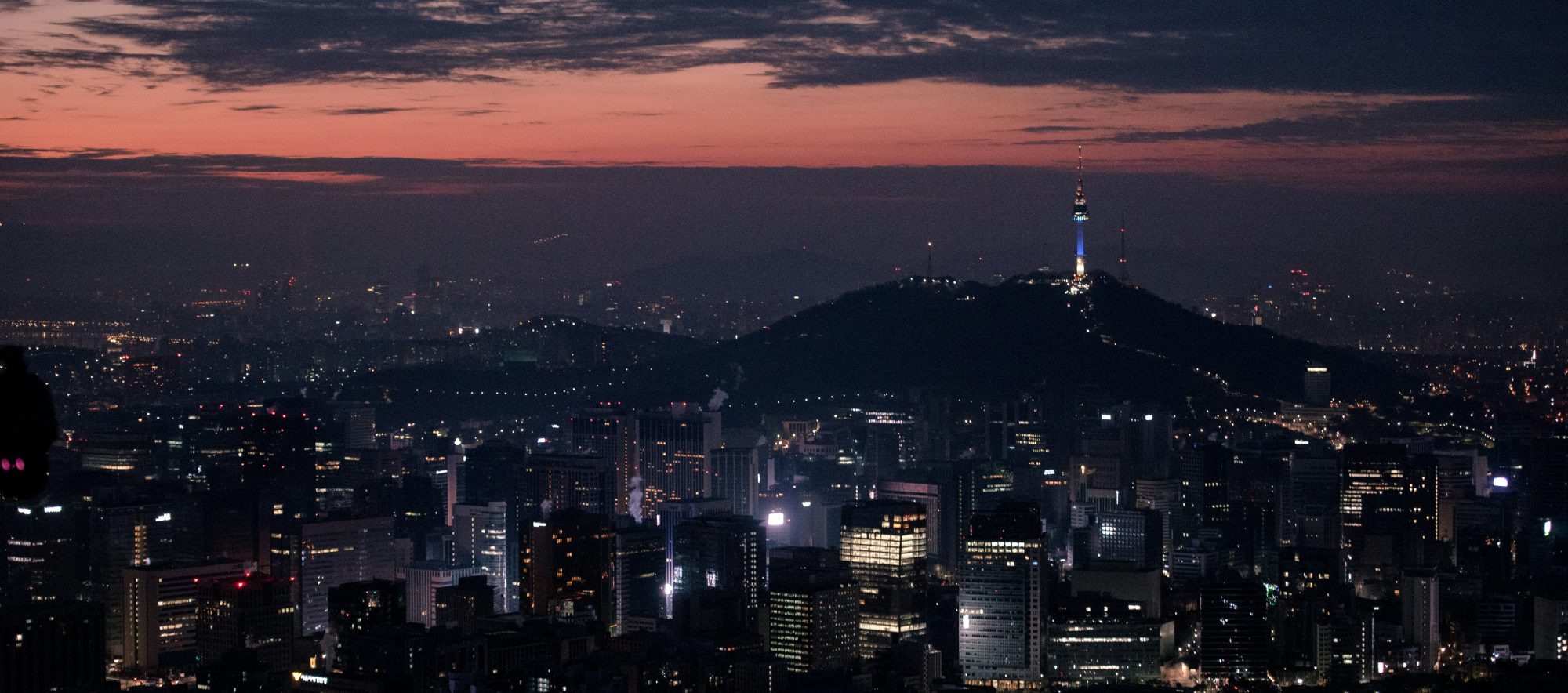
Korea is on sale — here’s why now is the best time to come
I’ll be honest with you.
While long-haul flights are getting more expensive everywhere, Seoul has quietly become one of the most compelling travel destinations of 2026. No travel advisories. No major disruptions. Just one of the world’s great cities running at full capacity.
I’m Korean, and I live here. When I put together this itinerary, I didn’t just Google “best places in Seoul.” I cross-referenced actual visitor satisfaction data — review patterns across platforms, what international travelers consistently rated highest — and filtered it through my own daily experience of the city. The places on this list earned it twice: once in the data, and once in real life.
Five days is the sweet spot for Seoul. Here’s exactly how I’d do it.
Once you land at Incheon, that higher airfare starts paying itself back surprisingly fast. The Korean won is currently hovering around ₩1,500 to the dollar — which means your money stretches roughly 20–30% further here than it did two or three years ago. Japan has rebounded, Europe adds expensive airfare on top of an already pricey destination. Right now, Seoul feels like a city-wide bargain sale.
Current exchange rate: ₩1,490–1,510 per USD
• Street food meal: $4–8
• Subway ride: $1.20
• 4-star hotel/night: $100–150
• Michelin-level lunch: from $15
• Palace entry: ~$3
Day 1 — Old Seoul: Gyeongbokgung, Bukchon, Seongbuk-dong
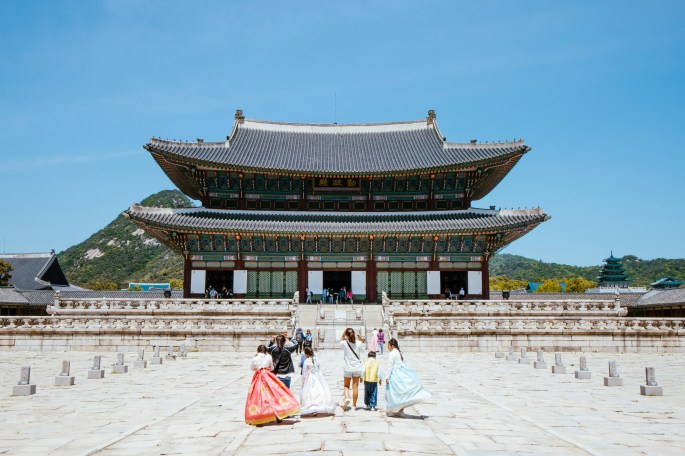
Morning Gyeongbokgung Palace — get there before 9am. Before the tour groups arrive, the palace grounds are genuinely vast and quiet. Rent a hanbok at the main gate and you get in free; the photos are worth it. Budget about two hours.
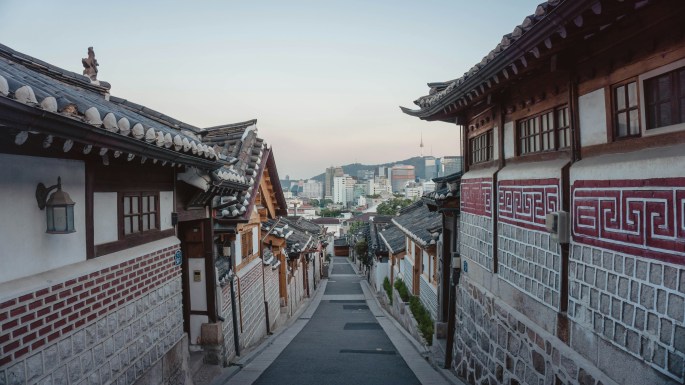
Late morning Bukchon Hanok Village — ten minutes on foot from the palace. A hillside neighborhood of well-preserved traditional hanok houses. Go early and it’s quiet enough to wander the alleys without the crowds.
Afternoon Seongbuk-dong — most tourists skip this entirely, which is a real shame. It’s a quiet, tree-lined neighborhood just north of the city center: old embassies, independent bookshops, traditional tea houses, almost no other tourists. This is what Seoul looked like before the high-rises came. Have lunch at a small Korean restaurant here. Don’t expect anyone to speak English.
Evening Gwangjang Market — Seoul’s oldest market. Get the bindaetteok and yak-gimbap. Order from a stall, sit on a plastic chair, eat. One of the best food experiences in the city, and it costs almost nothing.
Accommodation: Rak-Ko-Jae Seoul — a beautifully restored traditional hanok in Bukchon. Spending your first night in Seoul in a hanok sets the tone for everything that follows.
Day 2 — Modern Seoul: Namsan, Myeongdong, Gangnam
Morning Namsan & N Seoul Tower — yes, this is the Namsan from K-Pop Demon Hunters. Hard to skip. If you’re visiting with someone, buy a love lock before you head up — you’ll understand why once you get to the tower. Take the cable car or hike the trail. The walk is about 40 minutes, and the views over the city more than make up for it. The tower itself gets crowded, but the trail — especially early in the morning — is genuinely beautiful.
Afternoon Myeongdong — come for K-beauty shopping, not the street food. Prices here run 30–40% higher than elsewhere in the city. Hit the Olive Young flagship and the cosmetics floor at Lotte Department Store. A significant portion of the world’s K-beauty TikTok content was filmed right here.
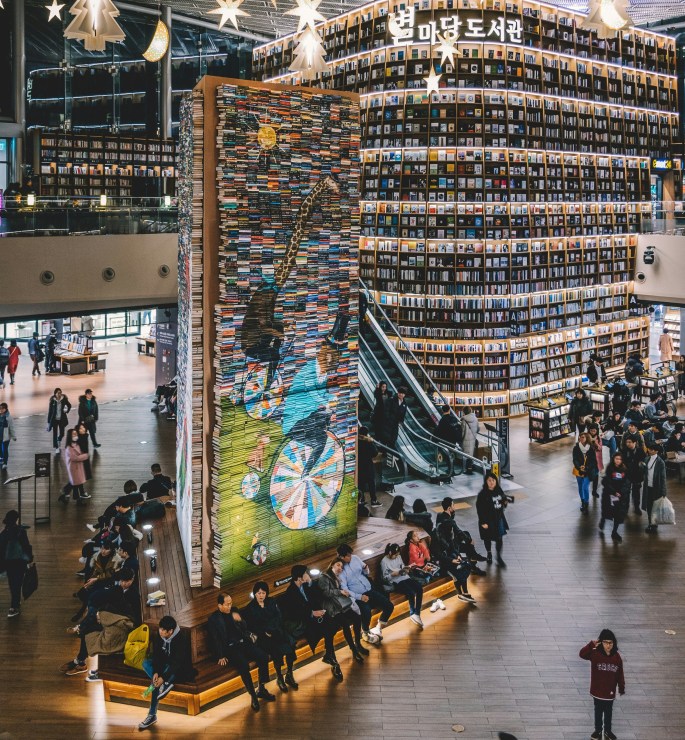
Evening Cross the river into Gangnam. Walk around Gangnam Station, then stop by the Starfield Library inside COEX Mall — it’s genuinely special and free. Dinner at a local Korean restaurant in one of the side streets near Sinnonhyeon Station.
Accommodation: Andaz Seoul Gangnam — minimal design, natural light in every room. Currently the best design hotel in Gangnam.
Day 3 — Slow Seoul: Insadong, Ikseon-dong, Seongsu-dong
Morning Insadong — traditional tea houses, independent galleries, craft shops. Find a quiet spot and sit with a cup of boricha. Insadong is exactly the kind of neighborhood you need on day three.
Late morning Ikseon-dong — just around the corner from Insadong. One-hundred-year-old hanok buildings converted into some of Seoul’s best independent cafés. Order something pretty and sit for a while.
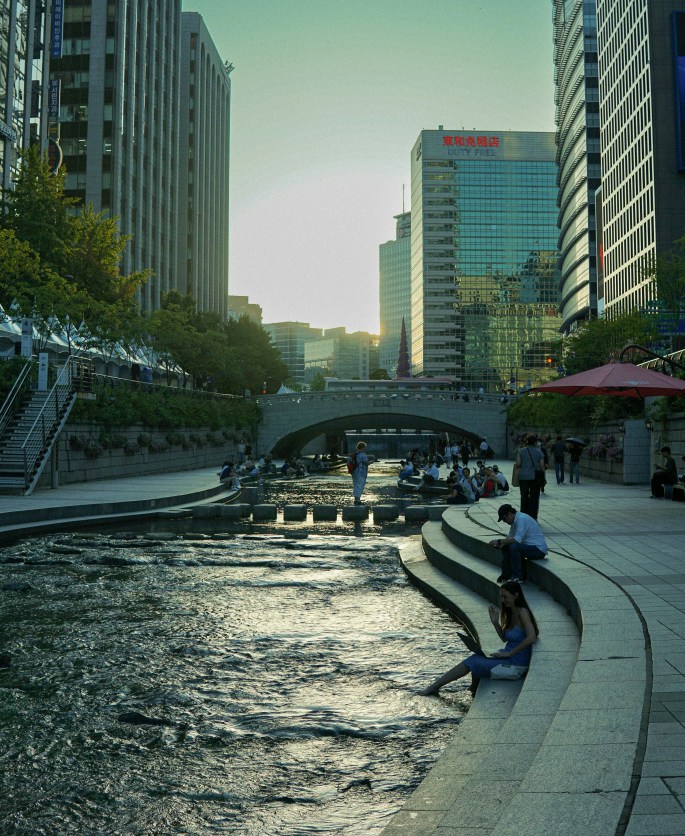
Afternoon Cheonggyecheon Stream — a 6km urban stream park restored where an elevated highway once stood. Walk west toward City Hall. Free entry, quiet, and it gives you a completely different perspective on Seoul’s cityscape.
Evening Seongsu-dong — the most interesting emerging neighborhood in Seoul right now. Former factories turned into coffee roasters, galleries, and concept stores. By evening it fills with young, creative locals. Dinner at a Korean fusion restaurant near Seoul Forest Station.
Accommodation: Eunpyeong Hanok Village guesthouse — a strategic choice for the next morning. Sitting right at the foot of Bukhansan, this village of over 150 hanok houses puts you within walking distance of the Dulegil trail and Jingwansa Temple before the crowds arrive. Far quieter than Bukchon, and a fraction of the tourists. A good option is IRIRU Luxury Hanok Stay.
Day 4 — Nature: Bukhansan & the Han River
Morning Bukhansan National Park — a national park sitting inside the city limits. Granite peaks, Buddhist temples, forest trails — it feels nothing like the Seoul you’ve been exploring. Take subway line 3 to Gupabal Station. The Bibong Ridge trail is about three hours round trip, with a full panorama of the city from the top. Start early.
Afternoon Gilsangsa Temple (Seongbuk-dong) — if you didn’t make it here on Day 1, come now. A traditional Buddhist temple tucked deep in a residential neighborhood that almost no one outside Korea knows about. Quiet, beautiful, free.
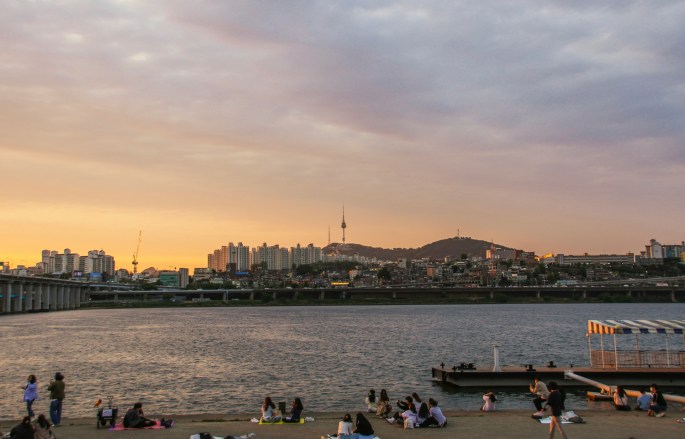
Evening Yeouido Hangang Park — pick up chicken and beer from a convenience store, find a spot on the grass, and watch the sun go down over the river. This is how people in Seoul do the Han River. Free, perfect, not optional.
Accommodation: Four Seasons Hotel Seoul — about 15 minutes by taxi from Yeouido Hangang Park. After a full day on the mountain and an evening on the river, tonight is the night to treat yourself. Mountain views, exceptional service, walking distance to Gyeongbokgung. If there’s one place in Seoul worth splurging, it’s here.
Day 5 — Last day: the gaps and the goodbye meal
Morning Seoul is big enough that five days will still leave gaps. Use this morning for the places you didn’t get to — the temple you walked past, the market you didn’t try, the neighborhood you only saw from the subway window. Go there.
Afternoon Incheon Airport — AREX Express from Seoul Station to Incheon takes 43 minutes and costs about $9. Take the AREX.
Accommodation at a glance
Four Seasons Seoul, Jongno : Luxury / Palace views, top-tier comfort
Andaz Seoul Gangnam, Gangnam : Luxury / Modern design
L’Escape Hotel, Myeongdong : Mid-range / French boutique feel
Moxy Seoul Insadong, Insadong : Mid-range / Stylish, great location
Rak-Ko-Jae Seoul, Bukchon : Experience / Traditional hanok stay
Eunpyeong Hanok Village (IRIRU), Eunpyeong : Experience / Traditional hanok, foot of Bukhansan
Koreans call May the queen of seasons — along with October, it’s the best time to visit. Seoul has always been worth the trip, but in 2026 it’s worth it financially too.
Questions about the itinerary? Leave them in the comments. I know this city well.
— KwaveInsider, Seoul
Some links in this post may be affiliate links. If you make a purchase through them, I may earn a small commission at no extra cost to you.
 K-wave Insider
“Seoul in 5 Days: The Only Itinerary You’ll Need in 2026”에 대한 답글 3개