By KwaveInsider | March 30, 2026 | K-Pop
When BTS dropped their fifth studio album ARIRANG on March 20, 2026, millions of ARMY around the world were moved — but how many truly understood what they were listening to?
I’m Korean. Arirang is a song you don’t need to be taught — you just know it. It’s short, simple, and effortless to sing. It plays on television and radio, it’s sung at school ceremonies, and at sports events I’ve sung it myself, out loud, with everyone around me. When I watched BTS perform at Gwanghwamun Square on March 21, I wasn’t just watching a concert. I was watching 5,000 years of Korean history fold itself into a pop performance.
Here’s everything you need to know — explained by someone who lived it.
1. What Does “Arirang” Actually Mean?
This is the question every non-Korean ARMY is asking right now — and the honest answer is: even Koreans debate it.
Arirang is Korea’s most beloved folk song, recognized by UNESCO as an Intangible Cultural Heritage of Humanity since 2012. There are over 60 regional versions and an estimated 3,600 variations of the song sung across Korea and wherever Koreans have settled around the world.
The word itself has no single agreed translation. One of the most widely accepted theories breaks it down like this: “Ari” means “grand” or “beautiful” in ancient Korean, and “rang” is a variation of the word for a mountain pass. So Arirang could literally mean “crossing the great pass.”
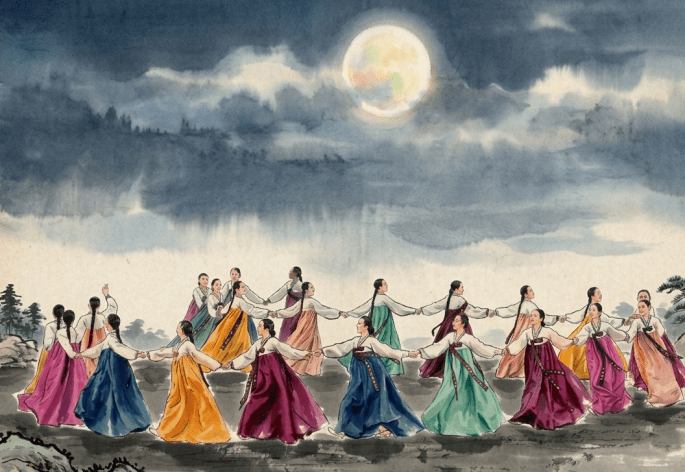
But this isn’t just geography. In Korean culture, a mountain pass has always been a symbol of painful separation — the place where you watch someone you love walk away over the hill, not knowing if they’ll ever return. Village men leaving for war crossed these passes. Families torn apart by the division of Korea crossed them. And BTS, one by one, crossed their own pass into mandatory military service.
Their fans waited on the other side for four years.
Do you see it now?
2. The Song That Korea Calls Its Unofficial National Anthem
Here is a fact that will reframe everything: the very first Korean song ever recorded was Arirang. In 1896. It was sung by three young Korean men who had traveled to study at Howard University in Washington D.C.
Three of seven.
BTS did not choose this album title by accident.
The song has been Korea’s emotional backbone through every chapter of its history — Japanese colonial occupation, the Korean War, the division of families across the DMZ, and the country’s remarkable rise from poverty to one of the world’s leading economies. When Koreans gather anywhere in the world and want to feel connected to each other, they sing Arirang. It needs no introduction. Every Korean already knows every word.
Choosing this title was BTS saying: we are not just a pop group. We are Korea coming home.
3. Gwanghwamun Square — Why This Location Changed Everything
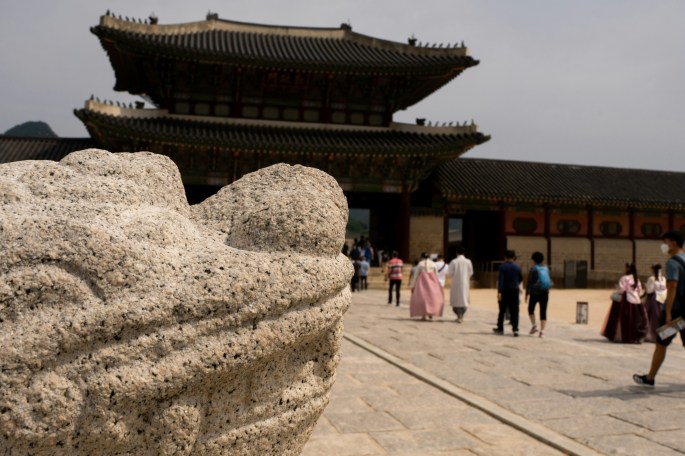
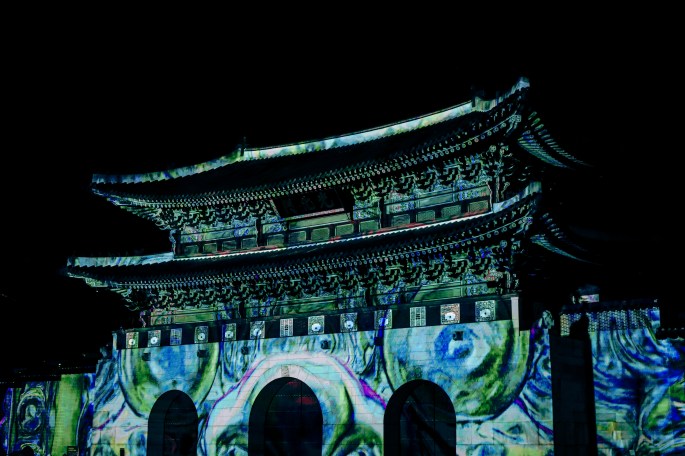
Non-Korean fans watching the Netflix concert saw a stunning outdoor stage lit up against a palace gate. Korean viewers saw something much more emotionally charged.
Gwanghwamun is the main gate of Gyeongbokgung Palace, built in 1395 — more than 630 years ago. It is the symbolic heart of Seoul, the place where Korean kings once passed, where protesters have gathered during moments of national crisis, and where Koreans go when they want to feel the weight of their own history.
The gate was destroyed during the Japanese colonial period and later rebuilt as a deliberate act of cultural restoration. For Koreans, Gwanghwamun is not just architecture. It is a statement of survival.
When RM opened the concert by saying “Hello Seoul, we’re back” — standing in front of that gate — the line hit Koreans differently than it hit everyone else. He wasn’t just announcing a comeback from military service. He was planting a flag.
The concert’s director, Hamish Hamilton — who has directed the Super Bowl halftime show — described the location as “among the most challenging” he had ever worked with, precisely because the goal was to honor the historical weight of the space rather than simply drop a concert into the middle of it.
4. The Hanbok Moment — And Why It Matters
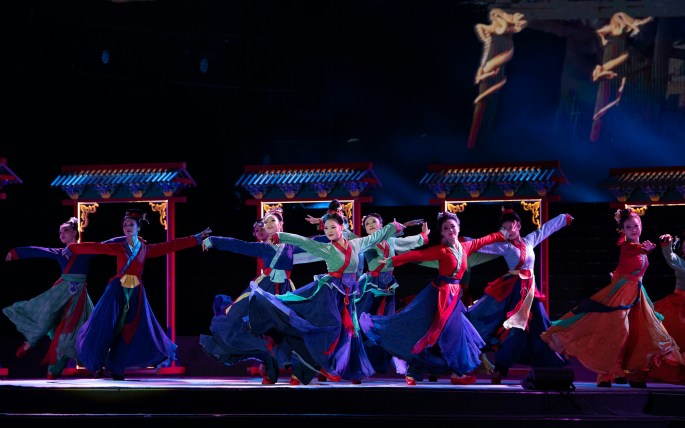
During the opening performance of “Body to Body,” BTS was joined on stage by singers and dancers wearing hanbok — Korea’s traditional clothing.
Hanbok is not a costume. It is a living tradition. The flowing lines, the bold colors, the way the fabric moves — it is designed to embody grace and harmony. Seeing it on the same stage as a global pop performance was a deliberate collision of past and present.
One American fan attending the concert wore a hanbok-inspired outfit because, as she told CNN, she wanted “to really honor what they were showing us.” That moment — a foreign fan instinctively reaching for Korean traditional culture — is exactly what this album was built to create.
5. “Body to Body” — The Line That Hits Different

The album’s opening track contains the lyric: “Born in Korea, playing for the world.”
To understand why this line matters, you need to know a concept called “nunchi” — the deeply Korean social awareness of how you are perceived, especially as someone who represents a group. For decades, Korean artists were quietly told by the global music industry that their culture was too niche, too foreign, too specific for international audiences.
BTS stood at a 630-year-old palace gate and declared the opposite. They didn’t try to sound less Korean. They went more Korean — and 18.4 million people watched live in a single day.
6. “Han” — The Untranslatable Emotion Behind the Album
There is a Korean emotional concept called “han” that has no direct English equivalent. It is a kind of deep, collective sorrow — not depression, not anger, but a grief that accumulates over generations. It is the feeling of a people who have survived occupation, war, famine, and separation, and who have transformed all of that pain into art, music, and resilience.
Every version of Arirang carries han. The slow, aching melody. The image of watching someone disappear over a mountain pass. The refusal to chase them, but the inability to stop watching.
BTS spent four years apart. Their fans spent four years waiting. The entire album is han compressed into 14 tracks — and then released as a live concert in front of a palace that survived everything Korea survived.
7. “Geurium” — The Word for What ARMY Felt for Four Years
Korean has another word that does not translate directly into English: “geurium.” It means something deeper than “missing someone.” It is the particular ache of absence — the way a person’s absence becomes a presence in itself, a shape in the room where they used to be.
Every ARMY who waited through four years of solo projects, military updates, and concert-less years knows exactly what geurium feels like, even if they never knew the word.
Now they do.
8. The Numbers: What This Comeback Means
The BTS ARIRANG comeback concert drew 18.4 million global viewers on Netflix in a single day, reached the weekly Top 10 in 80 countries, and hit number one in 24 countries. Over 250,000 fans gathered in person around Gwanghwamun Square — the largest public concert in South Korean history.
One analyst estimated the economic impact of the comeback at approximately $1.93 billion — a figure that could rival Taylor Swift’s Eras Tour earnings. The album had over 4 million pre-orders before it was even released.
And the world tour — 82 shows across 34 cities in 23 countries, running from April 2026 into 2027 — sold out North American and European dates within hours of going on sale.
Final Thought: Why This Album Is Different

Most K-pop albums are engineered for the global market — English lyrics, Western production styles, universally palatable themes.
ARIRANG went the opposite direction. It went inward — into Korean history, Korean language, Korean grief, Korean pride — and trusted that if the music was honest enough, the world would follow it there.
It did.
If you’re going to one of those 82 shows, you’re not just attending a concert. You’re crossing the Arirang pass — the great mountain pass of separation and return.
Welcome to the other side.
Written by a Korean who was there at Gwanghwamun. — KwaveInsider
“Planning to watch the world tour? Here’s how to watch BTS officially — even if tickets are sold out.“
This post contains affiliate links. If you purchase through
these links, I may earn a small commission at no extra cost to you.
 K-wave Insider