BTS World Tour 2026 Sold Out? Here’s How to Watch from Anywhere

The most realistic ways to watch BTS officially — even if you couldn’t get a ticket


BTS World Tour 2026 tickets are gone. North America, Europe — sold out within minutes of going on sale. If you’re searching right now, you’re probably in the same situation.

But not being able to get a ticket doesn’t mean not being able to watch BTS. HYBE and BTS have made three official ways to experience this tour. No resellers. No inflated prices. No scams.

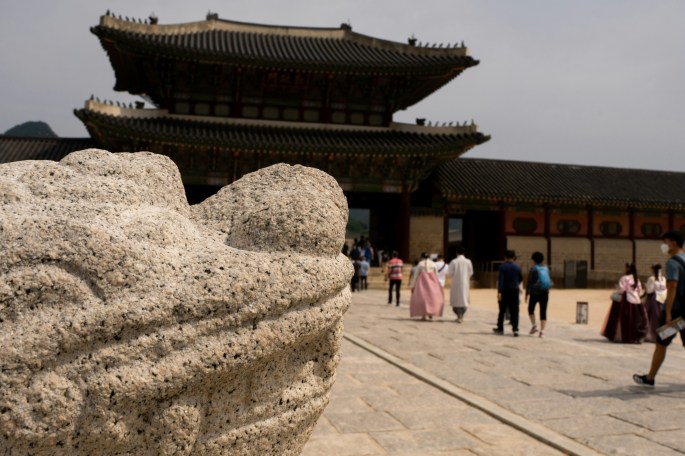
I was at Gwanghwamun on the night of March 21. 260,000 people packed the streets in front of Gyeongbokgung Palace. BTS stood on that stage together for the first time in nearly four years. As someone who was there: the energy comes through the screen. It really does.

Here are the options — practical, official, and available right now.


Option 1 — Netflix: Watch the Gwanghwamun Comeback Live Right Now

The fastest option, and the one most people are sleeping on.

“BTS THE COMEBACK LIVE | ARIRANG” — the full Gwanghwamun performance from March 21 — is streaming on Netflix right now. This is the concert that drew 18.4 million global viewers on the night it aired live. The full one-hour set, filmed against the backdrop of a 630-year-old palace gate in the heart of Seoul, is available to any Netflix subscriber at no additional cost. If you’re already subscribed, open the app and search now.

If you haven’t seen it yet, watch this before anything else.

While you’re there, “BTS: The Return” is also on Netflix. It’s the documentary that follows each member from military discharge through the recording sessions for ARIRANG in Los Angeles. Watch this first and the Gwanghwamun concert hits differently — you’ll understand what four years of separation actually looked like from the inside.

Netflix plans start at $8.99/month.

👉 Watch BTS THE COMEBACK LIVE | ARIRANG on Netflix

Want to understand what you’re watching? Every Korean cultural reference in the ARIRANG album — Gwanghwamun, han, geurium, the 1896 recording — explained by someone who was there: BTS ARIRANG Album: Every Korean Cultural Reference Explained by a Korean


Option 2 — Weverse Official Stream: Watch the World Tour from Home

Most fans have already seen the Gwanghwamun comeback concert. What they want now is the world tour itself. For those fans, HYBE is running official paid streams through Weverse.

Goyang Concert Stream

  • Concert date: Sunday, April 12 — KST 7:00 PM
  • US East Coast: Sunday, April 19 — 6:00 AM EDT
  • US West Coast: Sunday, April 19 — 3:00 AM PDT

Tokyo Concert Stream

  • Concert date: Saturday, April 18 — KST
  • Exact streaming time: check the Weverse official page

Both concerts are available in HD Single-View or 4K Single-View. A Delayed Single-View replay is offered once after each live stream ends — for anyone who can’t catch it live. If you want both concerts, the ALL DAY PASS covers everything in one purchase.

Current pricing is listed directly on Weverse Shop. Check there before buying for the most accurate figures.

👉 Weverse Official Streaming Page
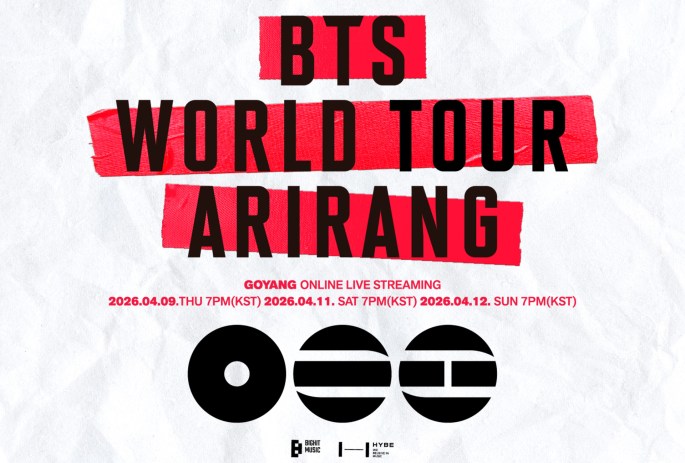
© BIGHIT MUSIC / HYBE — Official Streaming Poster

One thing to note: log in to the streaming page using the exact same account you used to purchase your ticket. A different account means no access — even if you have a valid ticket.


Option 3 — Cinema Live Viewing: See It on the Big Screen

For fans in the US and other participating countries, BTS is bringing the world tour to movie theaters. Both the Goyang and Tokyo concerts are coming to the big screen.

Goyang Concert Live Viewing — Saturday, April 11 Tokyo Concert Live Viewing — Saturday, April 18

US theaters: AMC Theatres, Cinemark, Cinepolis, Harkins, B&B Theatres

Each screening runs approximately three hours. A theater sound system and a proper cinema screen is a genuinely different experience from watching at home — and you’ll be surrounded by people who are just as invested as you are. For North American fans who couldn’t get a stadium ticket, this is the most realistic alternative.

Check participating theaters and showtimes at the official live viewing site.

👉 BTS Live Viewing Official Site


Before You Watch: Get the Album

Every track BTS performs on this tour comes from ARIRANG — their first studio album in nearly four years. Knowing the album before the concert changes everything. The lyrics carry weight that’s hard to explain without context, and the live arrangements hit differently when you already know the songs.

The Living Legend Ver. is the best-selling physical edition on Amazon right now — 4.9 stars across 200+ reviews, and the most complete package of any CD version available.

👉 BTS ARIRANG — Living Legend Ver. on Amazon


Your Options at a Glance

  • Netflix : Gwanghwamun comeback concert + documentary / Netflix
  • Weverse Stream : Goyang + Tokyo world tour, HD or 4K / Weverse
  • Cinema Live Viewing : Goyang + Tokyo on the big screen / btsliveviewing.com

All three are official. All three are the real thing.

The Gwanghwamun stage — even through a screen — is worth your time.

— KwaveInsider, Seoul


A Critical Warning: Don’t Fall for Ticket Scams

With stadium shows sold out worldwide, many fans are turning to social media or unverified sites looking for tickets. Before you risk your money, keep these safety tips in mind.

Avoid “Too Good to Be True” Deals Scammers often post “last-minute” tickets at face value or even below on X (Twitter) or Instagram to lure desperate fans. If it’s not from an official source like Ticketmaster or the official tour site at btsworldtourofficial.com, treat it as a scam.

Check for Secure Payment Methods Never pay via direct bank transfer or any method that offers no buyer protection. If the ticket never arrives, your money is gone with no way to dispute it.

Verify the Ticket Type Many venues on the 2026 tour use mobile-only tickets with rotating barcodes. A PDF or screenshot sent via DM will not get you into the stadium — no matter how convincing it looks.

The bottom line: The official streaming and cinema options listed above are the only 100% guaranteed ways to experience BTS without the risk of losing your money to scammers.


Some links in this post may be affiliate links. If you make a purchase through them, I may earn a small commission at no extra cost to you.
FIFTY FIFTY Is Back — With a Pink Floyd Classic

“Wish You Were Here,” Sung on the Han River in Seoul

K-Pop (Girl Group)


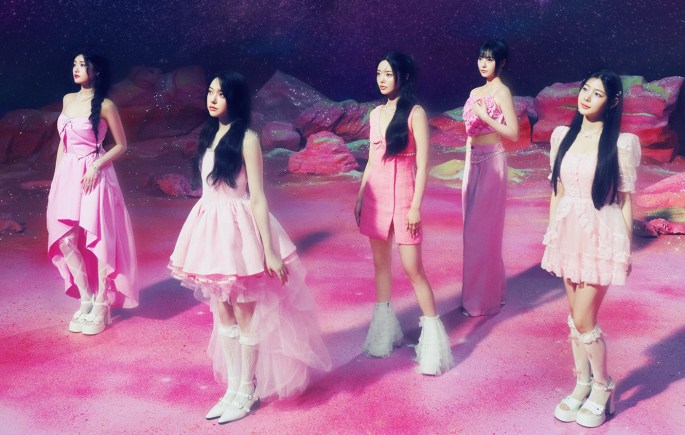
FIFTY FIFTY is back. Their new release is “Wish You Were Here” — a cover of Pink Floyd’s 1975 classic, and the group’s first English digital single. The music video, filmed along the Han River in the dead of winter, is quiet and cool. Where Cupid was sweet and dreamy — a slice of 60s and 70s disco-pop — this is something else entirely. Restrained vocals, understated emotion, and a 50-year-old rock anthem meeting a K-pop girl group’s voices for the first time. An unlikely combination. Somehow, it works.


Cupid — The Unlikely Breakthrough

FIFTY FIFTY debuted in November 2022 under ATTRAKT, a small independent label. No Big Four backing. No established fanbase. Then, in February 2023, “Cupid” changed everything.

The English Twin Version went viral on TikTok, and the group entered the Billboard Hot 100 just 130 days after debut — the fastest any K-pop act had ever done it. The song peaked at No. 17 and became the longest-charting song by a K-pop girl group in Hot 100 history. A remix with Sabrina Carpenter followed. So did a spot on the Barbie movie soundtrack. All of it within six months of debut, from a label nobody had heard of.


What Happened Next

In June 2023, at the height of that success, all four members filed an injunction to suspend their exclusive contracts with ATTRAKT. The agency countered that outside forces had manipulated the members into the move. In August, the Seoul Central District Court dismissed the case.

In October, only Keena returned to ATTRAKT. The contracts of Saena, Sio, and Aran were terminated. It became one of the most dramatic disputes in K-pop history.


FIFTY FIFTY Now

The current lineup is Keena, Chanelle Moon, Yewon, Hana, and Athena. The group relaunched as a five-member act in September 2024, with a new fandom name — Tweny — to mark the fresh start.

In November 2025, they released “Skittlez,” the group’s first hip-hop track. It entered the North American Mediabase Top 40 chart at No. 38 and stayed on the chart for three consecutive months — a long way from the bubbly disco-pop of Cupid, and proof that American radio was paying attention. The Skittles candy brand even jumped into the comments on the music video, adding to the buzz.

Then in March 2026, FIFTY FIFTY became the first K-pop group to participate in Sony Music’s tribute project marking Pink Floyd’s 60th anniversary and the 50th anniversary of “Wish You Were Here.” The most significant moment of their post-relaunch era so far.

© ATTRAKT / FIFTY FIFTY

The Members Who Left

Original members Saena, Sio, and Aran re-debuted in 2024 under the name Ablume, signing with a new agency. All three were part of what made Cupid the global hit it became. Their next chapter is worth watching.


One Last Thing

FIFTY FIFTY’s story is still being written. If Cupid expanded what K-pop could be, the current group is working on the next chapter.


Some links in this post may be affiliate links. If you make a purchase through them, I may earn a small commission at no extra cost to you.
HUMINT: Ryoo Seung-wan Completes His Spy Trilogy in Vladivostok

TheatricalNetflix (Action Spy)


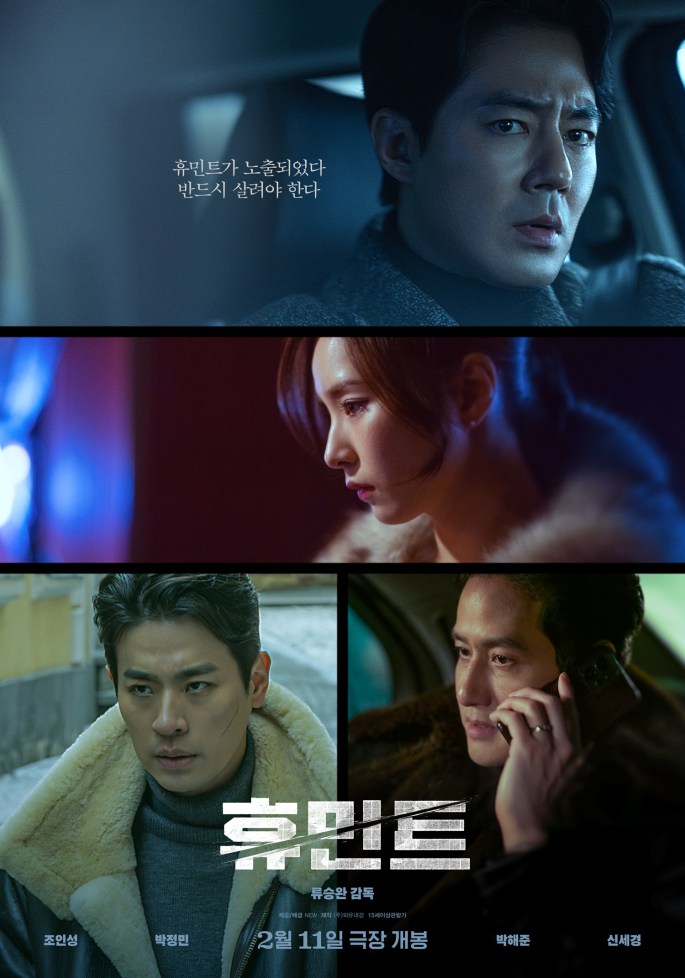
© Filmmaker R&K / NEW — Official Poster

There are directors every Korean film lover keeps on their radar. Lee Chang-dong. Bong Joon-ho. Park Chan-wook. It’s too early to place Ryoo Seung-wan in that company. But in the action genre — far from the world of auteur cinema — he has carved out a space that no one else has come close to claiming. Like Tarantino, he came up without formal film training, teaching himself through obsession alone. Within Korean cinema, he is the benchmark for action.

His latest, HUMINT, is now on Netflix. One thing worth knowing upfront: this is not a realist spy film in the vein of Tinker Tailor Soldier Spy. It sits much closer to The Bourne Identity — kinetic, grounded, and built around action that means something.


Watch This First

The Berlin File (2013) — Netflix

Before you watch HUMINT, make time for this one. It was Ryoo’s first large-scale overseas production — a North Korean operative stationed in Berlin, hunted by his own side as much as by the South. Ha Jung-woo, Jun Ji-hyun, and Han Suk-kyu star. It pulled Korean spy action to a level it hadn’t reached before.

There’s a direct thread connecting it to HUMINT. In the final scene of The Berlin File, the protagonist boards a train bound for Vladivostok. Somewhere in HUMINT, his name surfaces briefly. It’s an easter egg — but one that lands differently once you’ve seen both films.


Basic Info

  • Director/Screenplay: Ryoo Seung-wan
  • Cast: Zo In-sung, Park Jeong-min, Park Hae-joon, Shin Se-kyung
  • Budget: Approx. ₩23.5 billion (USD 16 million)
  • Runtime: 119 minutes
  • Filming Location: Riga, Latvia (standing in for Vladivostok)
  • Streaming: Netflix (available April 1, 2026)

Plot (No Spoilers)

Vladivostok. NIS agent Manager Zo (Zo In-sung) is tracking an international crime syndicate involved in drug trafficking and human exploitation near the North Korea-Russia border. His plan hinges on recruiting a North Korean woman as a human intelligence source — a “humint.” At the same time, North Korean State Security officer Park Geon (Park Jeong-min) arrives in the city, drawn to the same woman for his own reasons.

The moment the two men become aware of each other, the film moves somewhere unexpected.

At the center of everything is Chae Seon-hwa (Shin Se-kyung). Everyone wants what she knows. Everyone is a threat to her survival.


What to Watch For

Ryoo’s Action, Distilled

The overseas tension of The Berlin File and the human weight of Escape from Mogadishu are compressed into a single film here. The first half builds a slow, layered intelligence puzzle. The second half detonates it. Ryoo reminds you why he still sets the standard.

Park Jeong-min’s Shift

Zo In-sung delivers exactly what you’d expect — and he’s good. But Park Jeong-min is the one to watch. Last year he became an overnight meme after an unscripted moment at the Blue Dragon Film Awards. Here, he plays a cold, dangerous North Korean operative. The distance between those two versions of the same person is striking.

The Texture of Vladivostok

The film was shot in Riga, Latvia. Ryoo spent six months making trips back and forth, scouting city streets, a port, and an abandoned airport. The cold, grey weight of a border city comes through in every frame.


What the Audience and Critics Said

Korean reception was divided. Nearly two million admissions in theaters, but critical consensus landed in familiar territory: strong action, thin story. Yonhap described it as “closer to romance than action — but the action functions as the thread that holds the romance together.” The Korea Herald was more direct: “long on spectacle, short on substance.” IMDb rating: 6.4.

It comes down to what you’re looking for. Go in expecting a taut espionage thriller and the second half may lose you. Go in expecting Ryoo Seung-wan doing what Ryoo Seung-wan does, and it delivers.


If You Liked It, Watch These Next

Both are on Netflix.

The City of Violence (2006) The rawest energy in Ryoo’s filmography. Less stunt work, more real contact — fists over guns. The mark this film left on Korean action cinema runs deeper than most people realize. It hasn’t aged.

Veteran (2015) Ryoo’s commercial peak. 13.4 million admissions. A chaebol heir versus a street-smart detective — looser and faster than HUMINT, and deliberately so. The chemistry between Hwang Jung-min and Yoo Ah-in is still overwhelming. This film cannot be boring. Watch it tonight. ★★★★/5


Who Should Watch

  • Viewers new to Korean action cinema
  • Anyone who enjoyed Escape from Mogadishu or the Crime City series
  • Fans of spy thrillers set against North Korea-South Korea tension
  • Anyone who needs 119 minutes that don’t ask much of them

Some links in this post may be affiliate links. If you make a purchase through them, I may earn a small commission at no extra cost to you.
Seoul in 5 Days: The Only Itinerary You’ll Need in 2026

Korea is on sale — here’s why now is the best time to come


I’ll be honest with you.

While long-haul flights are getting more expensive everywhere, Seoul has quietly become one of the most compelling travel destinations of 2026. No travel advisories. No major disruptions. Just one of the world’s great cities running at full capacity.

I’m Korean, and I live here. When I put together this itinerary, I didn’t just Google “best places in Seoul.” I cross-referenced actual visitor satisfaction data — review patterns across platforms, what international travelers consistently rated highest — and filtered it through my own daily experience of the city. The places on this list earned it twice: once in the data, and once in real life.

Five days is the sweet spot for Seoul. Here’s exactly how I’d do it.

Once you land at Incheon, that higher airfare starts paying itself back surprisingly fast. The Korean won is currently hovering around ₩1,500 to the dollar — which means your money stretches roughly 20–30% further here than it did two or three years ago. Japan has rebounded, Europe adds expensive airfare on top of an already pricey destination. Right now, Seoul feels like a city-wide bargain sale.

Current exchange rate: ₩1,490–1,510 per USD
• Street food meal: $4–8
• Subway ride: $1.20
• 4-star hotel/night: $100–150
• Michelin-level lunch: from $15
• Palace entry: ~$3


Day 1 — Old Seoul: Gyeongbokgung, Bukchon, Seongbuk-dong

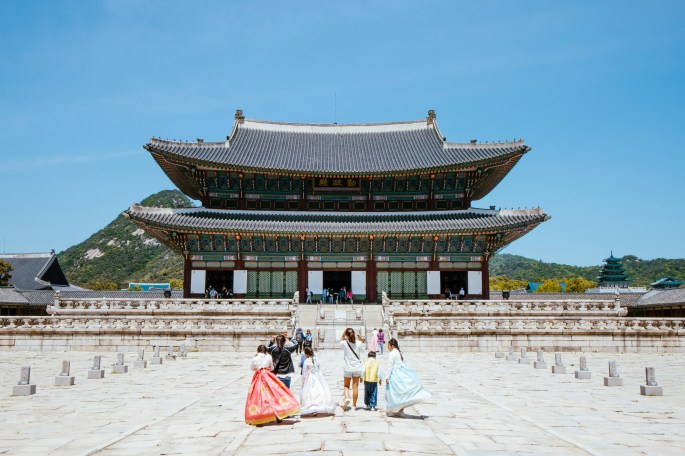
Gyeongbokgung

Morning Gyeongbokgung Palace — get there before 9am. Before the tour groups arrive, the palace grounds are genuinely vast and quiet. Rent a hanbok at the main gate and you get in free; the photos are worth it. Budget about two hours.

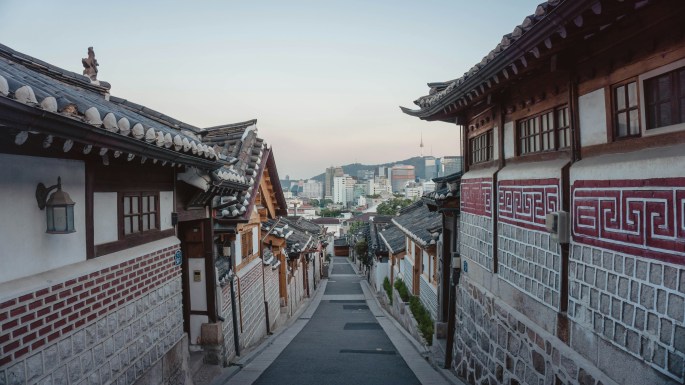
Late morning Bukchon Hanok Village — ten minutes on foot from the palace. A hillside neighborhood of well-preserved traditional hanok houses. Go early and it’s quiet enough to wander the alleys without the crowds.

Afternoon Seongbuk-dong — most tourists skip this entirely, which is a real shame. It’s a quiet, tree-lined neighborhood just north of the city center: old embassies, independent bookshops, traditional tea houses, almost no other tourists. This is what Seoul looked like before the high-rises came. Have lunch at a small Korean restaurant here. Don’t expect anyone to speak English.

Evening Gwangjang Market — Seoul’s oldest market. Get the bindaetteok and yak-gimbap. Order from a stall, sit on a plastic chair, eat. One of the best food experiences in the city, and it costs almost nothing.

Accommodation: Rak-Ko-Jae Seoul — a beautifully restored traditional hanok in Bukchon. Spending your first night in Seoul in a hanok sets the tone for everything that follows.


Day 2 — Modern Seoul: Namsan, Myeongdong, Gangnam

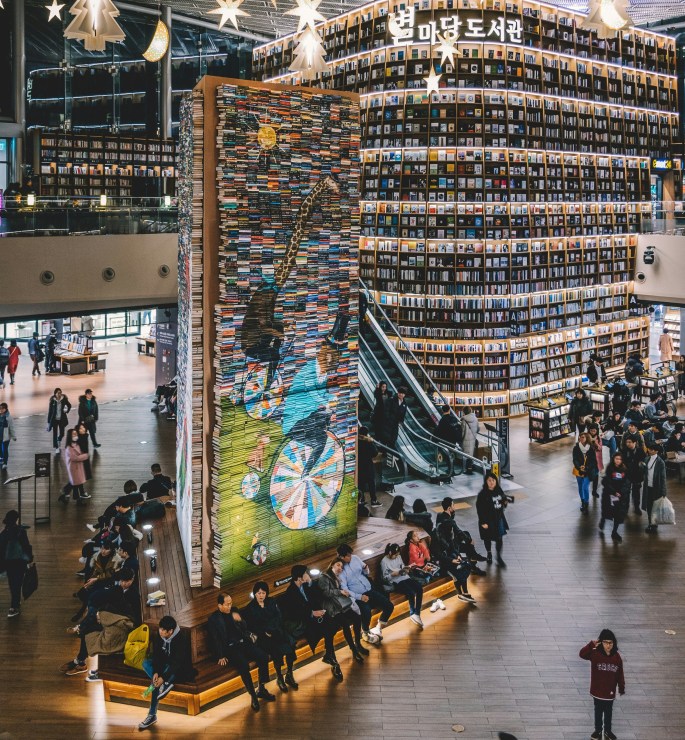
COEX Mall, Gangnam

Morning Namsan & N Seoul Tower — yes, this is the Namsan from K-Pop Demon Hunters. Hard to skip. If you’re visiting with someone, buy a love lock before you head up — you’ll understand why once you get to the tower. Take the cable car or hike the trail. The walk is about 40 minutes, and the views over the city more than make up for it. The tower itself gets crowded, but the trail — especially early in the morning — is genuinely beautiful.

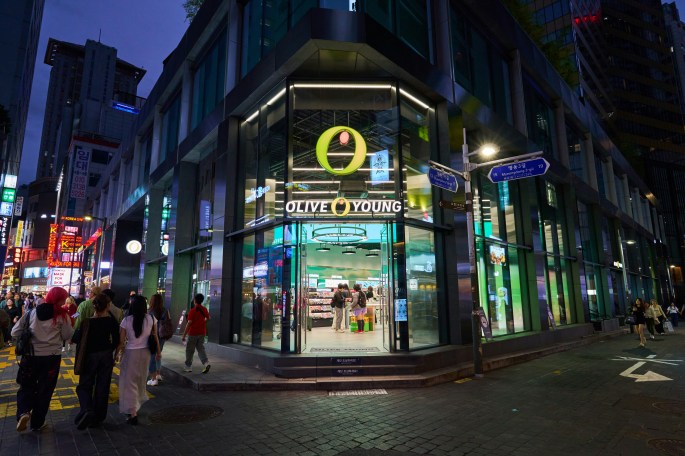
Afternoon Myeongdong — come for K-beauty shopping, not the street food. Prices here run 30–40% higher than elsewhere in the city. Hit the Olive Young flagship and the cosmetics floor at Lotte Department Store. A significant portion of the world’s K-beauty TikTok content was filmed right here.

Evening Cross the river into Gangnam. Walk around Gangnam Station, then stop by the Starfield Library inside COEX Mall — it’s genuinely special and free. Dinner at a local Korean restaurant in one of the side streets near Sinnonhyeon Station.

Accommodation: Andaz Seoul Gangnam — minimal design, natural light in every room. Currently the best design hotel in Gangnam.


Day 3 — Slow Seoul: Insadong, Ikseon-dong, Seongsu-dong

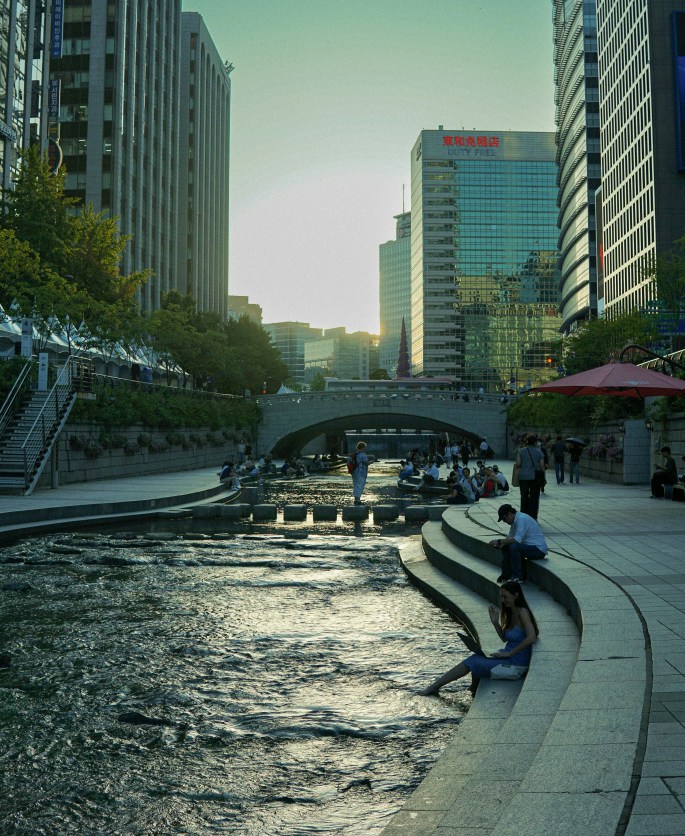
Cheonggyecheon Stream

Morning Insadong — traditional tea houses, independent galleries, craft shops. Find a quiet spot and sit with a cup of boricha. Insadong is exactly the kind of neighborhood you need on day three.

Late morning Ikseon-dong — just around the corner from Insadong. One-hundred-year-old hanok buildings converted into some of Seoul’s best independent cafés. Order something pretty and sit for a while.

Afternoon Cheonggyecheon Stream — a 6km urban stream park restored where an elevated highway once stood. Walk west toward City Hall. Free entry, quiet, and it gives you a completely different perspective on Seoul’s cityscape.

Evening Seongsu-dong — the most interesting emerging neighborhood in Seoul right now. Former factories turned into coffee roasters, galleries, and concept stores. By evening it fills with young, creative locals. Dinner at a Korean fusion restaurant near Seoul Forest Station.

Accommodation: Eunpyeong Hanok Village guesthouse — a strategic choice for the next morning. Sitting right at the foot of Bukhansan, this village of over 150 hanok houses puts you within walking distance of the Dulegil trail and Jingwansa Temple before the crowds arrive. Far quieter than Bukchon, and a fraction of the tourists. A good option is IRIRU Luxury Hanok Stay.


Day 4 — Nature: Bukhansan & the Han River

Morning Bukhansan National Park — a national park sitting inside the city limits. Granite peaks, Buddhist temples, forest trails — it feels nothing like the Seoul you’ve been exploring. Take subway line 3 to Gupabal Station. The Bibong Ridge trail is about three hours round trip, with a full panorama of the city from the top. Start early.

Afternoon Gilsangsa Temple (Seongbuk-dong) — if you didn’t make it here on Day 1, come now. A traditional Buddhist temple tucked deep in a residential neighborhood that almost no one outside Korea knows about. Quiet, beautiful, free.

Evening Yeouido Hangang Park — pick up chicken and beer from a convenience store, find a spot on the grass, and watch the sun go down over the river. This is how people in Seoul do the Han River. Free, perfect, not optional.

Accommodation: Four Seasons Hotel Seoul — about 15 minutes by taxi from Yeouido Hangang Park. After a full day on the mountain and an evening on the river, tonight is the night to treat yourself. Mountain views, exceptional service, walking distance to Gyeongbokgung. If there’s one place in Seoul worth splurging, it’s here.


Day 5 — Last day: the gaps and the goodbye meal

Morning Seoul is big enough that five days will still leave gaps. Use this morning for the places you didn’t get to — the temple you walked past, the market you didn’t try, the neighborhood you only saw from the subway window. Go there.

Afternoon Incheon Airport — AREX Express from Seoul Station to Incheon takes 43 minutes and costs about $9. Take the AREX.


Accommodation at a glance

Four Seasons Seoul, Jongno : Luxury / Palace views, top-tier comfort
Andaz Seoul Gangnam, Gangnam : Luxury / Modern design
L’Escape Hotel, Myeongdong : Mid-range / French boutique feel
Moxy Seoul Insadong, Insadong : Mid-range / Stylish, great location
Rak-Ko-Jae Seoul, Bukchon : Experience / Traditional hanok stay
Eunpyeong Hanok Village (IRIRU), Eunpyeong : Experience / Traditional hanok, foot of Bukhansan


Koreans call May the queen of seasons — along with October, it’s the best time to visit. Seoul has always been worth the trip, but in 2026 it’s worth it financially too.

Questions about the itinerary? Leave them in the comments. I know this city well.

— KwaveInsider, Seoul

Some links in this post may be affiliate links. If you make a purchase through them, I may earn a small commission at no extra cost to you.
The K-Pop Rookies I Can’t Stop Watching (And You Probably Haven’t Heard Of Yet)

By KwaveInsider | March 31, 2026 | K-Pop


I was at Gwanghwamun last week.

260,000 people. The palace walls glowing purple. Strangers standing next to me quietly wiping tears. It was one of those nights that stays with you.

Then I went home and spent the next few hours watching rookie group fancams.

While everyone’s attention was on the comeback — understandably so — something quietly interesting has been building in the rookie scene. These groups aren’t trying to be the next BTS. They’re finding their own direction. Honestly, right now that’s what I find more compelling.

Here are the four I’m watching closely.


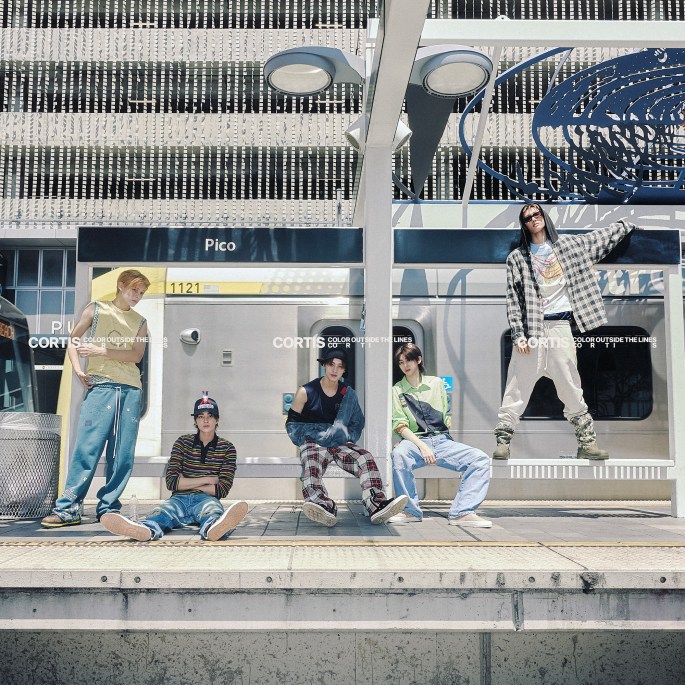
CORTIS — BigHit’s new crew, but nothing like you’d expect

© Big Hit Music / CORTIS

Guitars, raw textures, a clear point of view. Their debut track “What You Want” made me sit up straight the first time I heard it — a blend of 60s psychedelic rock and boom bap hip-hop that somehow works completely. They even dropped an English version featuring Teezo Touchdown.

What makes CORTIS interesting isn’t just the sound. The members planned, filmed, and edited their own music video independently. That kind of creative ownership at debut is rare.

I don’t know exactly where they’re headed yet. That’s precisely why I keep watching.

Watch “What You Want”


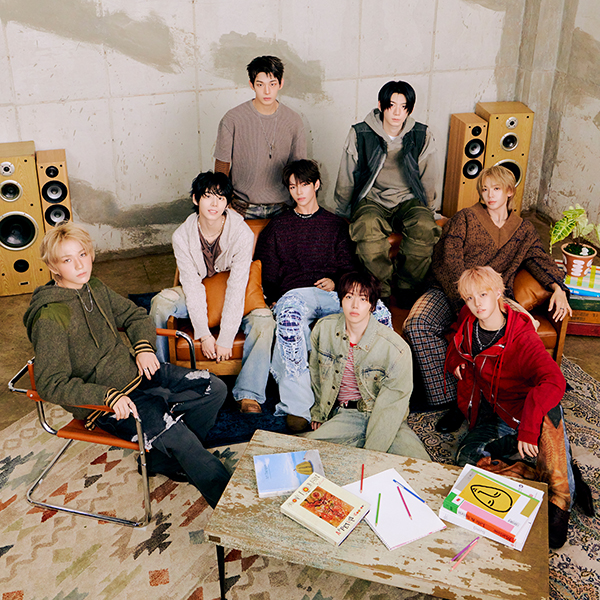
AHOF — The survival show group that actually delivered

© F&F Entertainment / AHOF

I tend to approach survival show debuts with caution. AHOF changed that. “Rendezvous” is a band-driven track built around guitars and drums, and it hits harder the more you listen. Nine members from six countries, with one of the most cohesive sounds in this year’s rookie class.

Their debut MV hit 3.6 million views in 24 hours. The numbers reflect something real.

Worth knowing before they get much bigger.

Watch “Rendezvous”


LNGSHOT — Jay Park’s crew, and they earned every bit of it

LNGSHOT Official YouTube

Debut average age: 18. They went viral off a single fancam. Won their first music show win sooner than expected, and the members cried on stage — not as a performance, but as a genuine reaction.

“Moonwalkin'” is their title track — atmospheric, dreamy, and surprisingly mature for a group this young. There’s an unforced authenticity here that’s hard to manufacture.

Watch “Moonwalkin'”


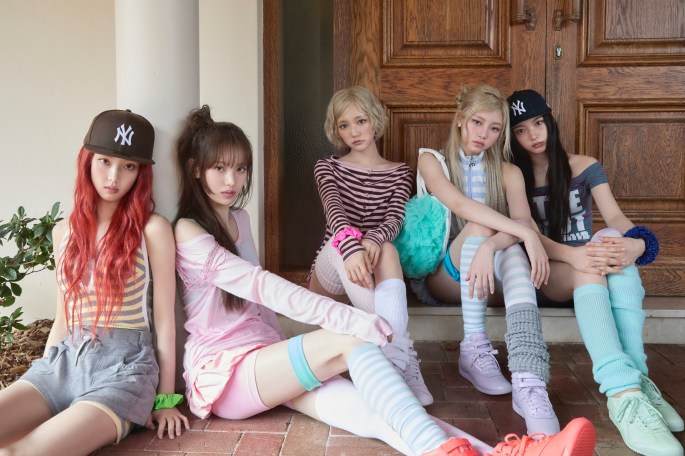
KiiiKiii — The girl group making music on their own terms

© STARSHIP / Kiii Kiii

“Dancing Alone” is city-pop shimmer at its best. Shot on 16mm film, still living on my playlist months after release. NME and Dazed both named it one of the best K-pop tracks of 2025.

Five members, each with a distinct personality, all clearly making music they actually enjoy. That energy comes through in every frame.

They’ll be part of the rookie-of-the-year conversation. Watch closely.

Watch “Dancing Alone”


The kings had their night at Gwanghwamun.

The next chapter is already being written — quietly, in smaller venues, for now.

Which rookie group are you following this year? Leave a comment — I’d genuinely like to know.

— Written from Seoul, where the next generation is already rehearsing. KwaveInsider


*Some links in this post may be affiliate links. If you make a purchase through them, I may earn a small commission at no extra cost to you.*

Korean Girls’ Actual Skincare Routine in 2026 — Based on What’s Selling Out at Olive Young

By KwaveInsider | March 30, 2026 | K-Beauty


If you’ve ever walked into an Olive Young in Seoul, you know the feeling.

Thousands of products. Neon green shelves. Korean girls confidently grabbing things you’ve never heard of while you’re standing there holding a sheet mask wondering if you’re doing everything wrong.

Don’t worry. I live here. I’ll tell you exactly what’s actually flying off the shelves in 2026 — and more importantly, how Korean girls are actually using it.


First, the Big Shift Nobody’s Talking About

Forget the 10-step routine. That’s not what’s happening in Seoul anymore.

In 2026, the trend has shifted from “10-step routines” to “Skin Minimalism” — using high-potency products that actually deliver.

The goal isn’t to do more. It’s to do less, but smarter. Pick 4-5 products that genuinely work, use them consistently, and let your skin actually breathe.

And the new skin goal? It’s “bloom skin” — even-toned, strengthened, and hydrated skin that looks healthy rather than just glossy. Less wet-look Instagram filter, more “I woke up like this.”

Now let’s get into the actual routines.


Routine #1 — The Hydration-First Routine

For dry, dull, or dehydrated skin

This is the most popular routine among Korean girls right now. The philosophy is simple: flood your skin with hydration first, and everything else follows.

Step 1 — Torriden Dive-In Low Molecular Hyaluronic Acid Serum

Torriden Dive-In Serum ranked first in the Essence/Serum category at the 2025 Olive Young Awards. And it’s not hard to see why.

It contains hyaluronic acid, so it moisturizes the skin from deep within and improves skin elasticity. It’s perfect for those looking for a refreshing serum that’s light and non-sticky.

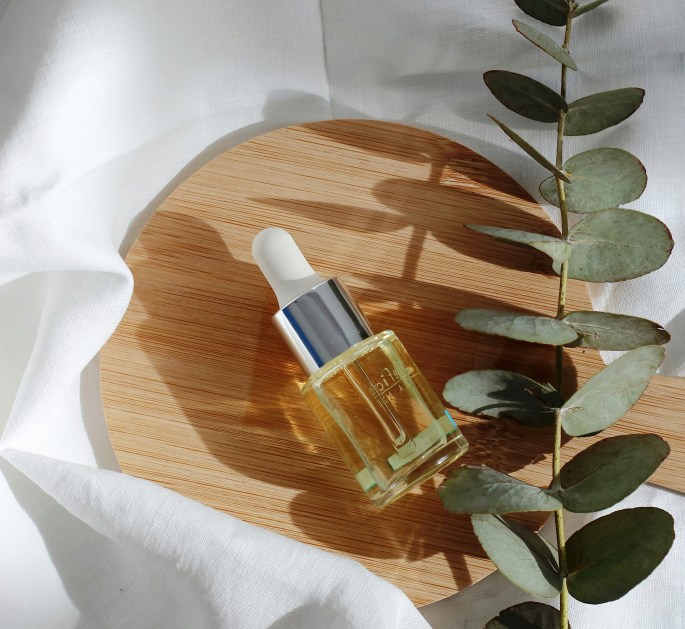
Think of it as a tall glass of water for your face. Apply it on slightly damp skin right after cleansing for maximum absorption. Price: around $18 on Amazon.

Step 2 — COSRX Advanced Snail 96 Mucin Power Essence

Yes, snail. Stay with me.

This essence is a Korean skincare classic for a reason. It layers beautifully over the Torriden serum, locking in moisture and helping with skin repair. The texture is slightly gel-like and absorbs quickly — no sticky residue, no weird smell.

Apply a few drops after your serum, pat gently until absorbed.

Step 3 — Aestura Atobarrier 365 Cream

Aestura’s Atobarrier 365 Cream is formulated to soothe and strengthen compromised skin with ceramides and gentle emollients while keeping greasiness to a minimum — an excellent choice for all skin types that struggle with irritation or seasonal dryness.

This is the final seal. Lock everything in with this and your skin will feel plump and comfortable all day.

Step 4 — Beauty of Joseon Relief Sun SPF 50+

Korean sunscreen is in a completely different league from what you’re used to. It has a moisturizing formula and absorbs quickly on the skin, leaving no white cast after application. It also contains niacinamide, which minimizes pores and evens skin tone. It has won many awards and is loved by Koreans and foreigners alike.

This is non-negotiable. Morning only — but every single morning.


Routine #2 — The Glow-Up Routine

For uneven skin tone, dullness, or post-acne marks

This one is for when your skin looks tired and just… blah. Korean girls swear by this combination for getting that lit-from-within glow back fast.

Step 1 — Abib Heartleaf Toner

This toner contains 77% Heartleaf extract. It moisturizes and soothes skin while gently cleansing any excess dirt or makeup. It’s recommended for oily, combination, or sensitive acne-prone skin — and it went viral in Korea after EXO’s Suho revealed it as his favorite toner.

Apply after cleansing. You can use a cotton pad or just pat it directly into your skin with your hands.

Step 2 — SKIN1004 Madagascar Centella Ampoule

Centella asiatica (cica) is the soothing hero of K-beauty — and SKIN1004 has made it their whole identity. This ampoule is lightweight, calming, and works brilliantly for anyone dealing with redness or irritation.

Layer this after toner, before your moisturizer.

Step 3 — VT Reedle Shot 100

This is the wild card that everyone’s talking about. VT Reedle Shot uses microscopic spicules (microneedles) to deliver ingredients deeper into skin. Fair warning: it tingles upon application.

Start with the 100 version, then work your way up to 300 once your skin gets used to it. It genuinely improves skin texture.

Use this 2-3 times a week, not every day. Think of it as your weekly treatment rather than a daily step.

Step 4 — Beauty of Joseon Glow Serum (Propolis + Niacinamide)

Niacinamide searches on Olive Young increased by 26% year-over-year, showing growing awareness of functional, results-driven skincare.

This serum delivers exactly that — brightening and pore minimizing in one lightweight step. Korean girls layer this under their moisturizer for that subtle glow that looks like good skin, not highlighter.


Routine #3 — The Barrier Repair Routine

For sensitive, reactive, or over-exfoliated skin

We’ve all been there. You tried too many new products at once, your skin freaked out, and now everything stings. This routine is your skin’s reset button.

Step 1 — COSRX Low pH Good Morning Gel Cleanser

When your skin is angry, the last thing it needs is a harsh cleanser stripping its moisture barrier. This low-pH gel is gentle enough for even the most reactive skin. It cleans without the “squeaky clean” feeling that’s actually a red flag.

Step 2 — Some By Mi AHA BHA PHA 30 Days Miracle Toner

Don’t let the “AHA BHA” scare you — this toner is much gentler than it sounds. It lightly exfoliates while keeping skin calm. In 2026, the focus is on gentle exfoliation with enzymes, PHAs, and soft peeling gels rather than harsh scrubs.

This is your bridge between cleansing and treatment — use it to prep your skin for everything that follows.

Step 3 — Biodance Bio-Collagen Real Deep Mask (2x per week)

The viral Biodance Bio-Collagen Real Deep Mask is one of the absolute best items to buy at Olive Young right now.

This isn’t a regular sheet mask. It’s a translucent collagen film that you wear for 20-40 minutes (or overnight) and it literally dissolves into your skin. The result is visibly plumper, smoother skin within hours. Korean girls use this as their weekly reset — skin is noticeably different the morning after.

Step 4 — Aestura Atobarrier 365 Cream (generous layer at night)

Same cream as Routine #1, but at night, apply a thicker layer and let it work while you sleep. This is where barrier repair actually happens — your skin regenerates 3x faster during sleep, so don’t skip the moisture seal.


The One Product Every Routine Needs

Regardless of which routine you follow, one thing stays constant:

Sunscreen. Every. Morning.

Korean sunscreens are legendary because they feel like luxury moisturizers, not sticky white grease. If there’s one K-beauty habit worth stealing, it’s this one. Korean women start wearing SPF in their teens and never stop — and it shows.


Where to Buy

If you’re visiting Seoul: Go straight to Olive Young. With over 1,340 stores across Korea, it’s more ubiquitous than Starbucks in Seoul. The Myeongdong flagship store has everything, but for a less crowded experience try the Hannam-dong or Apgujeong branches. Purchases over ₩15,000 qualify for an immediate tax refund — bring your physical passport (phone photos usually aren’t accepted).

If you’re shopping online: Amazon carries most of these products. Search by exact product name for best results. Olive Young Global (global.oliveyoung.com) also ships worldwide with decent prices.


Quick Product Summary

Routine #1 — Hydration-First: Torriden Dive-In Serum → COSRX Snail Essence → Atobarrier Cream → Beauty of Joseon SPF. Best for dry or dehydrated skin. Budget around $55.

Routine #2 — Glow-Up: Abib Heartleaf Toner → SKIN1004 Centella Ampoule → VT Reedle Shot → Beauty of Joseon Glow Serum. Best for dull or uneven skin tone. Budget around $65.

Routine #3 — Barrier Repair: COSRX Low pH Cleanser → Some By Mi Toner → Biodance Collagen Mask → Atobarrier Cream. Best for sensitive or reactive skin. Budget around $50.


The Bottom Line

Korean skincare in 2026 isn’t about buying everything on the shelf. It’s about knowing your skin, picking the right 4-5 products, and being consistent.

The girls who have the best skin in Seoul aren’t doing 10 steps every night. They’re doing 4 steps — really, really well — every single day.

Start with whichever routine matches your skin concern. Give it 6-8 weeks. Your skin will tell you if it’s working.

And if you ever make it to Seoul, the first thing you should do after landing is walk into an Olive Young. Just maybe leave some room in your suitcase.


Got questions about specific products or which routine is right for your skin type? Drop them in the comments — I love this stuff.

— KwaveInsider, Seoul

This post contains affiliate links. If you purchase through
these links, I may earn a small commission at no extra cost to you.
BTS ARIRANG Album: Every Korean Cultural Reference Explained by a Korean

By KwaveInsider | March 30, 2026 | K-Pop

When BTS dropped their fifth studio album ARIRANG on March 20, 2026, millions of ARMY around the world were moved — but how many truly understood what they were listening to?

I’m Korean. Arirang is a song you don’t need to be taught — you just know it. It’s short, simple, and effortless to sing. It plays on television and radio, it’s sung at school ceremonies, and at sports events I’ve sung it myself, out loud, with everyone around me. When I watched BTS perform at Gwanghwamun Square on March 21, I wasn’t just watching a concert. I was watching 5,000 years of Korean history fold itself into a pop performance.

Here’s everything you need to know — explained by someone who lived it.


1. What Does “Arirang” Actually Mean?

This is the question every non-Korean ARMY is asking right now — and the honest answer is: even Koreans debate it.

Arirang is Korea’s most beloved folk song, recognized by UNESCO as an Intangible Cultural Heritage of Humanity since 2012. There are over 60 regional versions and an estimated 3,600 variations of the song sung across Korea and wherever Koreans have settled around the world.

The word itself has no single agreed translation. One of the most widely accepted theories breaks it down like this: “Ari” means “grand” or “beautiful” in ancient Korean, and “rang” is a variation of the word for a mountain pass. So Arirang could literally mean “crossing the great pass.”

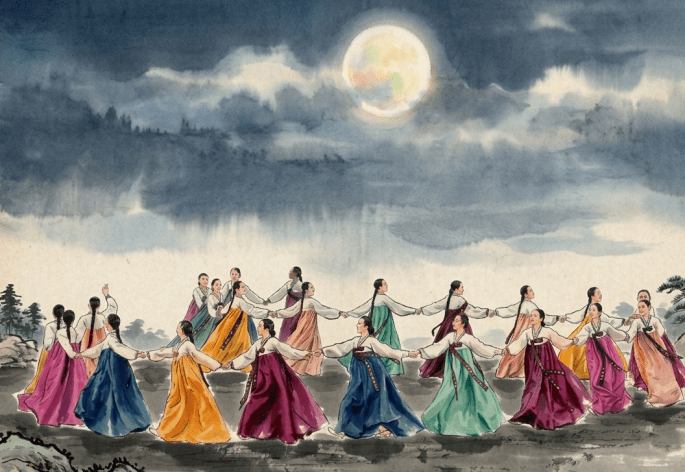
But this isn’t just geography. In Korean culture, a mountain pass has always been a symbol of painful separation — the place where you watch someone you love walk away over the hill, not knowing if they’ll ever return. Village men leaving for war crossed these passes. Families torn apart by the division of Korea crossed them. And BTS, one by one, crossed their own pass into mandatory military service.

Their fans waited on the other side for four years.

Do you see it now?


2. The Song That Korea Calls Its Unofficial National Anthem

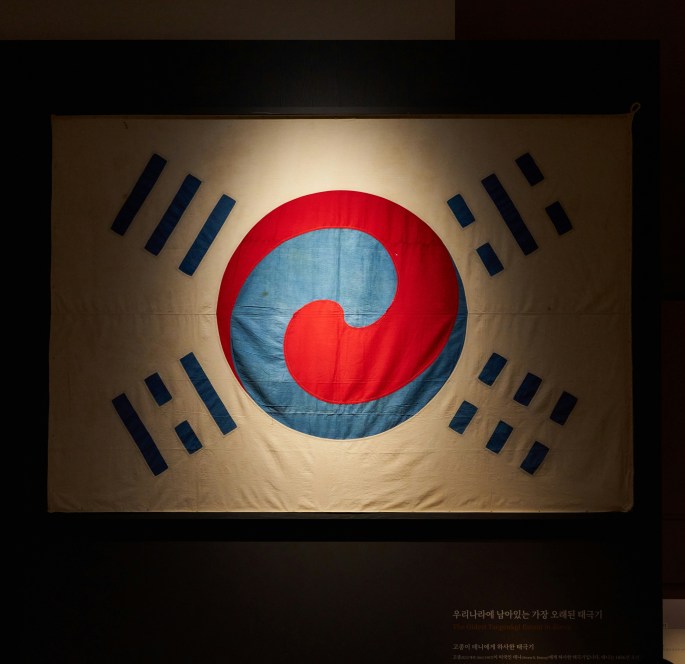
Here is a fact that will reframe everything: the very first Korean song ever recorded was Arirang. In 1896. It was sung by three young Korean men who had traveled to study at Howard University in Washington D.C.

Three of seven.

BTS did not choose this album title by accident.

The song has been Korea’s emotional backbone through every chapter of its history — Japanese colonial occupation, the Korean War, the division of families across the DMZ, and the country’s remarkable rise from poverty to one of the world’s leading economies. When Koreans gather anywhere in the world and want to feel connected to each other, they sing Arirang. It needs no introduction. Every Korean already knows every word.

Choosing this title was BTS saying: we are not just a pop group. We are Korea coming home.


3. Gwanghwamun Square — Why This Location Changed Everything

Non-Korean fans watching the Netflix concert saw a stunning outdoor stage lit up against a palace gate. Korean viewers saw something much more emotionally charged.

Gwanghwamun is the main gate of Gyeongbokgung Palace, built in 1395 — more than 630 years ago. It is the symbolic heart of Seoul, the place where Korean kings once passed, where protesters have gathered during moments of national crisis, and where Koreans go when they want to feel the weight of their own history.

The gate was destroyed during the Japanese colonial period and later rebuilt as a deliberate act of cultural restoration. For Koreans, Gwanghwamun is not just architecture. It is a statement of survival.

When RM opened the concert by saying “Hello Seoul, we’re back” — standing in front of that gate — the line hit Koreans differently than it hit everyone else. He wasn’t just announcing a comeback from military service. He was planting a flag.

The concert’s director, Hamish Hamilton — who has directed the Super Bowl halftime show — described the location as “among the most challenging” he had ever worked with, precisely because the goal was to honor the historical weight of the space rather than simply drop a concert into the middle of it.


4. The Hanbok Moment — And Why It Matters

During the opening performance of “Body to Body,” BTS was joined on stage by singers and dancers wearing hanbok — Korea’s traditional clothing.

Hanbok is not a costume. It is a living tradition. The flowing lines, the bold colors, the way the fabric moves — it is designed to embody grace and harmony. Seeing it on the same stage as a global pop performance was a deliberate collision of past and present.

One American fan attending the concert wore a hanbok-inspired outfit because, as she told CNN, she wanted “to really honor what they were showing us.” That moment — a foreign fan instinctively reaching for Korean traditional culture — is exactly what this album was built to create.


5. “Body to Body” — The Line That Hits Different

The album’s opening track contains the lyric: “Born in Korea, playing for the world.”

To understand why this line matters, you need to know a concept called “nunchi” — the deeply Korean social awareness of how you are perceived, especially as someone who represents a group. For decades, Korean artists were quietly told by the global music industry that their culture was too niche, too foreign, too specific for international audiences.

BTS stood at a 630-year-old palace gate and declared the opposite. They didn’t try to sound less Korean. They went more Korean — and 18.4 million people watched live in a single day.


6. “Han” — The Untranslatable Emotion Behind the Album

There is a Korean emotional concept called “han” that has no direct English equivalent. It is a kind of deep, collective sorrow — not depression, not anger, but a grief that accumulates over generations. It is the feeling of a people who have survived occupation, war, famine, and separation, and who have transformed all of that pain into art, music, and resilience.

Every version of Arirang carries han. The slow, aching melody. The image of watching someone disappear over a mountain pass. The refusal to chase them, but the inability to stop watching.

BTS spent four years apart. Their fans spent four years waiting. The entire album is han compressed into 14 tracks — and then released as a live concert in front of a palace that survived everything Korea survived.


7. “Geurium” — The Word for What ARMY Felt for Four Years

Korean has another word that does not translate directly into English: “geurium.” It means something deeper than “missing someone.” It is the particular ache of absence — the way a person’s absence becomes a presence in itself, a shape in the room where they used to be.

Every ARMY who waited through four years of solo projects, military updates, and concert-less years knows exactly what geurium feels like, even if they never knew the word.

Now they do.


8. The Numbers: What This Comeback Means

The BTS ARIRANG comeback concert drew 18.4 million global viewers on Netflix in a single day, reached the weekly Top 10 in 80 countries, and hit number one in 24 countries. Over 250,000 fans gathered in person around Gwanghwamun Square — the largest public concert in South Korean history.

One analyst estimated the economic impact of the comeback at approximately $1.93 billion — a figure that could rival Taylor Swift’s Eras Tour earnings. The album had over 4 million pre-orders before it was even released.

And the world tour — 82 shows across 34 cities in 23 countries, running from April 2026 into 2027 — sold out North American and European dates within hours of going on sale.


Final Thought: Why This Album Is Different

Most K-pop albums are engineered for the global market — English lyrics, Western production styles, universally palatable themes.

ARIRANG went the opposite direction. It went inward — into Korean history, Korean language, Korean grief, Korean pride — and trusted that if the music was honest enough, the world would follow it there.

It did.

If you’re going to one of those 82 shows, you’re not just attending a concert. You’re crossing the Arirang pass — the great mountain pass of separation and return.

Welcome to the other side.


Written by a Korean who was there at Gwanghwamun. — KwaveInsider


“Planning to watch the world tour? Here’s how to watch BTS officially — even if tickets are sold out.


This post contains affiliate links. If you purchase through
these links, I may earn a small commission at no extra cost to you.