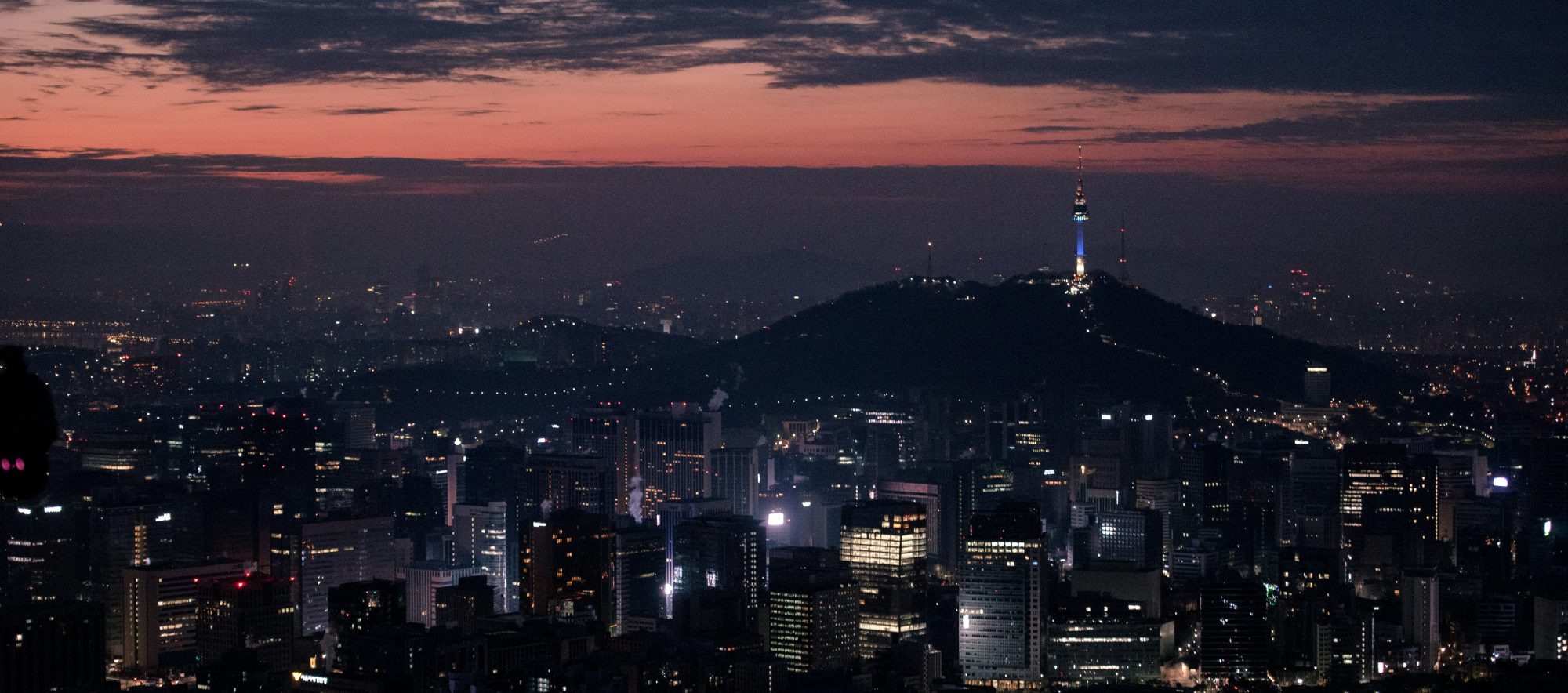
Illustration of BTS members in dark suits for “Aliens” lyrics analysis, exploring hidden Korean meanings behind the translation

BTS “Aliens” Lyrics Explained — What the Translation Misses

Jungmori, heungjeukdaegil, from the ga-na to the ha — you need to know what these mean


“Aliens” sounds like a hype track on first listen.

It isn’t.

During the making of ARIRANG, BTS pushed hard to keep Korean lyrics in. This track shows that most clearly. Produced by Mike WiLL Made-It, it layers Korean language and Korean cultural references deep into a heavy 808 beat.

Built in Korean, from Korean culture — and it doesn’t explain why that works. It just shows you.

Jungmori, heungjeukdaegil, from the ga-na to the ha, Kim Gu. Words that disappear in translation — but are actually what this song is built around.

Personally, this is the track that feels most like BTS to me.

Video: BTS (방탄소년단) ‘Aliens’ Official Audio / Source: HYBE LABELS (YouTube)

The Intro — A Summons

This gon’ be the jam of the year

Ji-ru-ha-go Dda-bun-hae Mo-deun Ge
지루하고 따분해 모든 게
Everything’s dull and boring

Si-ga-neun Cham Bbal-la Tick-tock
시간은 참 빨라 tick-tock
Time goes so fast, tick-tock

Stadium-eu-ro Jip-hap
Stadium으로 집합
Gather at the stadium

Do-dae-che Mwol Deo Go-min-hae?
도대체 뭘 더 고민해?
What’s there left to think about?

The world is boring. The fix: a summons to the stadium.

The first thing BTS says after four years away is “isn’t everything kind of dull?” It might be their way of describing exactly what those four years felt like.

Tae-saeng-bu-teo Da-reun Seven Aliens
태생부터 다른 seven aliens
Seven aliens, different from birth

U-ril Bu-reo-wo-ha-ne Jeo Civilians
우릴 부러워하네 저 civilians
Those civilians envy us

Gut-i Seol-myeong-ha-gi Ip A-pa
굳이 설명하기 입 아파
Explaining ourselves is a waste of breath

Stadium-eu-ro Jip-hap
Stadium으로 집합
Gather at the stadium

Do-dae-che Mwol Deo Go-min-hae?
도대체 뭘 더 고민해?
What’s there left to think about?

“Civilians” is a military term for non-combatants. Seven men who just finished mandatory military service using that word is probably not a coincidence.

“Different from birth” sounds like a bold claim. By the end of this song, you start to understand where that difference actually comes from.


The Pre-Chorus — What Is Jungmori?

Hello this your, hello this your new honey

Bak-su Cheo, Heun-deul-eo, Jung-mo-ri
박수 쳐, 흔들어, 중모리
Clap your hands, shake, to that jungmori

Oh my god, do I look too funny?

Mwo Eo-jjeol-lae Just Move For Me
뭐 어쩔래 just move for me
So what, just move for me

Yeah move for me

Jungmori (중모리) is a traditional Korean rhythmic cycle — a 12-beat jangdan pattern used in pansori and samulnori performances.

On top of a Mike WiLL Made-It 808 beat, they’re telling you to move to a jungmori rhythm. A globally produced pop track with a Korean traditional rhythm name dropped right into the hook.

“Oh my god, do I look too funny?” — they’re asking if they seem strange. “So what” already answers the question before it’s finished.


The Chorus — Five Lines, All of Korea

Peurom Deo Ga-na To Deo Ha
From the 가나 to the 하
From A to Z — but in Korean

U-ri Bo-go Bae-weo-nwa
우리 보고 배워놔
Watch and learn from us

“From the ga-na to the ha” runs from the first letters of the Korean alphabet (ㄱ, ㄴ) to the last (ㅎ) — the Korean equivalent of “from A to Z.”

The whole alphabet, in Korean, as a declaration: we set the standard from beginning to end.

Yeah we aliens

If you wanna hit my house

Sin-ba-reun Beo-eo-nwa
신발은 벗어놔
Take your shoes off

Yeah we aliens

In Korea, you take your shoes off at the door. SUGA singled this line out when introducing the track.

“If you want to come into our world, you follow our rules.” Not the other way around.

Eo-jjeom Geu-rae Shameless
어쩜 그래 shameless
How can you be so shameless

Ye-ui-reul Cha-ryeo We Aliens
예의를 차려 we aliens
Show some manners — we aliens

Hae-neun Dong-jjok-e-seo Risin’
해는 동쪽에서 risin’
From the East, the sun’s rising

The sun rises in the East — geographical fact and declaration at once.

For a long time, K-pop faced West and asked to be noticed. This line turns that around.

Aliens, aliens

Every night, every day

Mwol Deo Bbal-li-ge
뭐든 더 빠르게
We do everything faster

Mae-il Bam-sae-weo-dae
매일 밤새워대
Staying up all night, every day

Yeah we livin’ that

Aliens, aliens

Every night, every day

Mwol Deo Bbal-li-ge
뭐든 더 빠르게
We do everything faster

Si-dae-ga U-ril Wo-nae
시대가 우릴 원해
This era wants us

Yeah we livin’ that

Aliens, aliens

If you know Korea’s “ppalli-ppalli” culture — the national drive to do everything faster — this lands differently.

Stay up all night, move faster, make the era want you. That’s not just a boast. That’s how this country operates.


The RM Verse — The Heaviest Part of This Song

It goes

Let me, honey, talk about the business

Everybody know now where the K is

Eo-di-kka-ji Ga-ni I-reon Je-gil
어디까지 가니 이런 제길
How far are we taking this — damn

Jeo-ju-ha-ni A-jik? Hyung-jeuk-dae-gil
저주하니 아직? 흉즉대길
Still cursing us? Misfortune turns to fortune

Heungjeukdaegil (흉즉대길, 凶卽大吉) — a four-character Hanja idiom meaning “misfortune immediately becomes great fortune.”

Every curse, every piece of hate, every doubt directed at them. It all turns into fuel.

Pardon Kim-gu Seon-saeng-nim Tell Me How You Feel
Pardon 김구 선생님 tell me how you feel
Pardon me, Mr. Kim Gu — tell me how you feel

Yeong-eo-neun Ddo Na-bak-ke Mot-hae But That Is How We Kill
영어는 또 나밖에 못 해 but that is how we kill
I’m the only one who speaks English — but that is how we kill

Nun-man Ddo Heo-beol-na-ge Keun Neo-hi-ga Mal-ha-gil
눈만 또 허벌나게 큰 너희가 말하길
You, with those wide-open eyes, saying—

Are they for real? For real?

Kim Gu was the leader of Korea’s independence movement against Japanese colonial rule. In his autobiography, he wrote: “The only thing I desire in infinite quantity is the power of a noble culture.”

RM quoted that line in his 2019 UN speech. He quotes it again here, standing on the other side of four years of military service.

Of the seven members, RM is the only one who can conduct interviews in English. For years, that was framed as a limitation. He flips it — they moved the world without being fluent in English. That’s exactly how they won.

And the people watching with wide-open eyes, unable to believe what they’re seeing, ask: Are they for real?


The Outro — Heot-dul

Heot-dul Yeah We Land On It
(헛 둘) Yeah we land on it
One, two — yeah we land on it

Heot-dul And Stand On It
(헛 둘) And stand on it
One, two — and stand on it

Heot-dul Chik-eo Put That Stamp On It
(헛 둘) 찍어 put that stamp on it, stamp on it, stamp on it
One, two — stamp it, put that stamp on it

“Heot-dul” is a Korean expression used when people exert physical effort together — laborers, workers, anyone pushing through something hard. BTS would have used it through military training too.

Seven men who just completed mandatory military service close the song with this. Landed. Standing. Stamping their mark. They’re back.


One Last Thing

“Aliens” isn’t BTS explaining themselves.

Jungmori, heungjeukdaegil, from the ga-na to the ha, shoes at the door, Kim Gu, heot-dul. Things that disappear in translation. But they’re what the song is actually made of.

Built in Korean, from Korean culture — and it doesn’t explain why that works. It just shows you.


lyrics carry layers that no translation can capture. These breakdowns go line by line — explained by a Korean insider:

BTS “Body to Body” Lyrics Explained — Arirang Meaning & Korean References

Illustrated BTS concert stage during the Gwanghwamun performance with the title “BTS Body to Body Lyrics Meaning Explained”
Illustration: BTS “Body to Body” — Gwanghwamun performance / KwaveInsider

CORTIS “TNT” Korean Lyrics Explained — What the Translation Misses

TWS “You, You” Lyrics Explained — What “Dda-reum Dda-reum” Means

If you want to go deeper into the hidden meaning behind “RedRed” — beyond the lyrics themselves: CORTIS “RedRed” Lyrics Explained — Why It’s Hard to Decode

Not every Korean man wears makeup — but K-Pop made it visible. The culture behind it goes back 5,000 years: Why Do Korean Men Wear Makeup? The 5,000-Year History Behind K-Pop


Want to know the real meaning behind your favorite K-Pop song? Drop it in the comments — I’ll cover it in the next breakdown.

Some links in this post may be affiliate links. If you make a purchase through them, I may earn a small commission at no extra cost to you.

Illustrated BTS concert stage during the Gwanghwamun performance with the title “BTS Body to Body Lyrics Meaning Explained”

BTS “Body to Body” Lyrics Explained — The Meaning Behind Arirang

40,000 people sang Arirang in Gwanghwamun. Here’s why it wasn’t a red herring.

K-Pop


You can listen to “Body to Body” a hundred times and still miss what it’s actually saying.

A translation won’t fully get you there either. But if you had been standing in Gwanghwamun Square on March 21, 2026 — even without knowing a single word of Korean — you would have felt it instantly. That’s why this was the opening song.

One critic called the Arirang section a McGuffin. A red herring. Something that sounds meaningful but isn’t.

I’m Korean. I was there. Let me walk you through this song, line by line.

Video: Body to Body / Source: BANGTANTV (YouTube)

The Intro: Why RM Asked 40,000 People to Put Their Phones Down

I need the whole stadium to jump

Put your phone down, let’s get all the fun

I got my eyes on the row in the front

The vibe is high, if we bein’ blunt

The vibe is high, let the building

RM’s first word is “jump.” His second request is “put your phone down.”

That’s not a throwaway line. At concerts today, people spend half the show filming instead of watching. BTS had been gone for four years. And the very first thing RM asks — before anything else — is: be here. Right now.

For a comeback opener, that’s a remarkably human thing to say.


Suga’s Verse: The Secret Meaning of the ‘World Outside’

B-T-uh, from everywhere to Korea

Chong Kal Ki-Bo-Deu Da Jom Chi-Wo (총 칼 키보드 다 좀 치워)
* Put away the guns, knives, and keyboards

In-Saeng-Eun Jjal-Ba Jeung-O-Neun Bi-Wo (인생은 짧아 증오는 비워)
* Life is short, empty your hatred

It’s big in real life

Mwol Che-Myeon Tta-Jyeo Nae-Ryeo-Nwa Ya In-Ma (뭘 체면 따져 내려놔, 야 인마)
* Why worry about pride? Drop it, man

Hop in

Jom Deo Ga-Kka-I Wa (좀 더 가까이 와)
* Come a little closer

Look at those three words side by side: guns, knives, keyboards. Suga put physical violence and online hate in the same sentence on purpose. A keyboard can do real damage. That’s the point.

“It’s big in real life” — what happens in the real world is bigger than anything on a screen.

One word worth knowing: Tta-Jyeo (체면) gets translated as “pride,” but it’s closer to “face” — the stubborn need to look good in front of others, even when you know you’re wrong. Suga isn’t asking you to be humble. He’s asking you to stop performing.

And “Ya In-Ma” (야 인마)? The official translation is “drop it, man.” But in Korean, it’s what your closest friend says when they’ve had enough — casual, direct, no filter. “Come on, man. Just let it go.”

Put it all together: this is a peace message delivered the way a best friend delivers it. Not a lecture. Just: is that hatred really worth holding onto? Drop it and come closer.


The Chorus — What This Song Is Actually About

I need some body to body

All of your body beside me

Jeo-Gi Jeo Dal-E Dat-Ge Son-E Son (저기 저 달에 닿게 손에 손)
* Hand in hand, so we reach that moon

Neo-Wa-Na (너와 나) we on and on
* You and me, we on and on

Sunrise, but we don’t go home

“Body to body” sounds like a love song. It isn’t.

This is BTS talking to their fans after four years apart. “Skin to skin” isn’t about romance — it’s about connection without screens, without algorithms. Raw and real.

Now, “Hand in hand, so we reach that moon” — that line didn’t come from nowhere.

It’s a direct reference to “Hand in Hand,” the theme song of the 1988 Seoul Olympics. That moment in history mattered: the Cold War was ending, and a divided world came together in Seoul for the first time. BTS took that image and brought it into their concert in 2026. The hands reaching between nations became the hands reaching between the band and their fans.

The members confirmed this in interviews — they described “Body to Body” as their modern interpretation of that song.

“Sunrise, but we don’t go home” — I think that one line captures everything BTS felt after four years away from the stage. We’re not leaving. Not yet.


Verse 2 — The Night That Belongs to All of Us

It’s so tight

I mean, Neo-Wa-Eui Sa-I (너와의 사이)
* You and me, the space between us

I mean, U-Ri-Man-Eui Geu Style (우리만의 그 style)
* Our own style, nobody else’s

I mean, we livin’ the life

Du Nun-Eul Gam-Ji An-Eul I Bam (두 눈을 감지 않을 이 밤)
* This night I won’t close my eyes

Sol-Gu-Chi-Neun Gyeo-Re-Eui Ma-Eum (솟구치는 겨레의 마음)
* The surging heart of our people

Be about it, be about it, be about it

You could see about it

Or you read about it

Sa-I (사이) means “the space between us” — but in Korean, it also means the relationship itself. Closeness isn’t about distance. It’s about depth of connection.

This connects directly to a word you need to know: U-Ri (우리), which means “we” or “us” in Korean. But it’s not quite the same as the English “we.”

The word U-Ri comes from an old word meaning “people inside the same fence.” It describes belonging — shared space, shared life. That’s why Koreans say Uri ane (우리 아내) — literally “our wife” — when talking about their own spouse. It sounds strange in English. In Korean, it means: she belongs to the same world I do.

U-Ri isn’t just a pronoun. It’s a feeling.

And “the surging heart of our people” — Gyeo-Re (겨레) carries the weight of shared history. Korea has lived through occupation, war, and division within living memory. When this word appears in the middle of a pop song, it isn’t decoration. It means something.

The full picture of this verse: let’s long for peace together and sing until this night is over.


The Arirang Mystery: Why It’s Not a Red Herring, But Our DNA

A-Ri-Rang A-Ri-Rang A-Ra-Ri-Yo (아리랑 아리랑 아라리요)

A-Ri-Rang Go-Gae-Ro Neom-Eo-Gan-Da (아리랑 고개로 넘어간다)
* Crossing over the Arirang hill

Na-Reul Beo-Ri-Go Ga-Si-Neun Nim-Eun (나를 버리고 가시는 님은)
* The one who leaves me behind

Sim-Ni-Do Mot-Ga-Seo Bal-Byeong-Nan-Da (십리도 못 가서 발병난다)
* Won’t go ten miles before their feet hurt

This is the moment everything stops.

The electronic beat drops out. A women’s choir comes in, singing Gyeonggi Arirang — one of the oldest versions of Korea’s most beloved folk song.

For everything you need to know about Arirang and this album, it’s all here: BTS ARIRANG Album: Every Korean Cultural Reference Explained by a Korean

Here’s the short version.

Nobody teaches Koreans Arirang. We just know it. From before school, at holidays, at sports events. It lives in the body, not the mind.

Arirang Hill isn’t a real place on a map. It’s the hill you watch someone disappear over — the moment of separation. The song has carried that feeling through centuries of Korean history: colonial occupation, war, families split across a border that still exists today.

“Won’t go ten miles before their feet hurt” — ten miles is about an hour’s walk. The person who left will feel it almost immediately. It’s not a curse. It’s longing, turned outward.

Arirang isn’t a love song at its core. It’s a working song, a rallying song, a song people sang together whenever they were in the same place. And at the Gwanghwamun concert, 40,000 people sang it together — word for word, without being asked.

That’s not a McGuffin. That’s the whole point.

Now back to U-Ri. People inside the same fence. The whole world is inside the same fence. The fence is Earth.

“Body to Body” is a peace song. Of course it is.


The ‘Body to Body’ Philosophy: How ‘I’ Becomes ‘U-Ri’ (We)

I need the whole stadium to jump

Put your phone down, let’s get all the fun

You at the side, at the back, at the front

Almost the same words as the intro. But one line changes.

“I got my eyes on the row in the front” becomes “You at the side, at the back, at the front.”

Now that you know what U-Ri means — does that land differently?

At the start, RM is looking at the front row. By the end, there is no front row. Everyone is U-Ri now. The relationship has formed. That’s not a lyric variation. That’s the arc of the whole song, compressed into one line.


If you want to go deeper into Korean lyrics and cultural references, these breakdowns connect directly to this post:

Want to go line by line through every word? The full lyrics, broken down in detail: CORTIS “RedRed” Full Lyrics Explained — Every Line Broken Down

Illustrated thumbnail of CORTIS members standing in front of a blue urban wall for “RedRed” full lyrics explanation article
Illustration: CORTIS “RedRed” — Full Lyrics Explained / KwaveInsider

CORTIS “TNT” — the Korean behind the hook CORTIS “TNT” Korean Lyrics Explained — What the Translation Misses

TWS “You, You” — what “Dda-reum Dda-reum” actually means TWS “You, You” Lyrics Explained — What “Dda-reum Dda-reum” Means

The culture behind K-Pop goes deeper than the music. The history of why Korean men look the way they do on stage: Why Do Korean Men Wear Makeup? The 5,000-Year History Behind K-Pop →

A man and woman meeting secretly under the moonlight in late Joseon Korea
Artwork: Lovers Under the Moon by Shin Yun-bok (18th century) / Public Domain

Want to know the real meaning behind your favorite K-Pop song? Drop it in the comments — I’ll cover it in the next breakdown.

Some links in this post may be affiliate links. If you make a purchase through them, I may earn a small commission at no extra cost to you.

BTS Is Opening Their World Tour in Goyang — Here’s What to Do Before and After the Show

Goyang, Seoul’s Neighbor — RM’s Hometown, Royal Tombs, and the Han River at Dusk

Korea Travel


BTS WORLD TOUR ‘ARIRANG’ opens on April 9 at Goyang Stadium. It’s the first large-scale concert since all seven members completed their mandatory military service — the start of 82 shows across 23 countries. The choice of Goyang is no coincidence. Goyang is RM’s hometown. In “Ma City,” he raps: “I love Ilsan Lake Park more than the Han River / Even though it’s smaller, it holds you so much warmer.” As someone who lives near here, I can tell you — watching the Han River from Goyang at dusk is something else entirely. This city deserves more than a one-day concert visit. Here’s what to know.

BTS WORLD TOUR ‘ARIRANG’ IN GOYANG — Official Info →


Goyang Stadium — The Basics

Goyang Stadium sits in Ilsanseo-gu, Goyang, Gyeonggi Province. It holds over 40,000 seated and 10,000 standing. BTS, BLACKPINK, and Coldplay have all played here.

Getting There Line 3 subway to Daehwa Station, then a 10–15 minute walk. GTX-A to Kintex Station gets you there in 7 minutes on foot. By car from Gimpo Airport, allow about 20 minutes.

Photo: WAKA77 / Wikimedia Commons (Public Domain)

The Day Before — Take It Easy in Goyang

Seooreung Royal Tombs (西五陵)

Fifteen minutes by car from the stadium. Five Joseon royal tombs sit quietly inside a pine forest. Almost no tourists. Wide, calm, and perfect for a slow walk the day before the concert. One of the most accessible — and least visited — UNESCO World Heritage sites in Korea.

Photo: hyolee2 / Wikimedia Commons (CC BY-SA 3.0)

Janghang Wetlands

A Ramsar-designated ecological wetland where the Han River meets Goyang’s edge. Known as a migratory bird habitat, it’s all reed fields and riverside walking paths. The kind of landscape you won’t find anywhere near central Seoul.

One more option: Hongdae isn’t far from Goyang. If you want a night out, the option is there. That said — the concert is long, the energy is real, and your legs will thank you if you save them. Hongdae can wait.


Concert Day — Around the Stadium

Ilsan Lake Park

Walking distance from the stadium. Korea’s largest artificial lake, ringed by well-maintained paths. Exactly the right place to decompress before showtime. The musical fountain show is worth catching if the timing works.

Photo: Seungwon Lee / Unsplash

Starfield Goyang

Right next to Ilsan Lake Park. Shopping, food, cafes — all in one place. A solid option for pre-show meals or killing time if you arrive early. Don’t burn too much energy here though. The concert is long and it takes everything you’ve got.


Concert Day — Where to Eat

Todamgol

2.4km from the stadium. Korean table d’hôte (hanjeongsik) — the kind of spread where you feel healthier just looking at it. The base set runs ₩14,000, genuinely good value. If you’re going with someone, consider splitting: one orders the base set, the other goes for the Sweet Beef Bulgogi set at ₩24,000. Between the two, you get a proper introduction to Korean food.

View menu and reserve at Todamgol →


The Day After — Cross Into Paju

Goyang to Paju is 20–30 minutes by car. If you have one more day, these two are worth it.

Heyri Art Valley

A cultural community built by around 380 artists — painters, architects, writers, filmmakers. The village is full of distinctive buildings housing galleries, museums, cafes, and workshops. Every direction you walk, something is worth photographing. Weekend afternoons are when it’s most alive.

Paju Book City

Over half of Korea’s publishers are based here, which sounds industrial until you see it. The buildings were designed by serious architects, and tucked between them are bookshops and cafes. The centerpiece is the Forest of Wisdom — a 24-hour book cafe where hundreds of thousands of volumes are stacked floor to ceiling. Spending an hour there alone makes the detour worthwhile.

Fair warning: after a BTS concert, finding the energy for either of these is ambitious. But if you’re in Korea, they’re genuinely worth the effort.

Photo: Korea.net / Korean Culture and Information Service (Jeon Han) / Wikimedia Commons (CC BY-SA 2.0)

Where to Stay

Sono Calm Goyang — The only five-star hotel in Goyang, directly across from KINTEX. Walking distance to the stadium, airport bus stop right outside. Books out fast during concert season.

If Goyang hotels are already gone — and they may be — staying near Hapjeong or Hongdae in Seoul and taking the subway is a perfectly workable plan.


Practical Tips

The most important tip first: Download the Naver app before you arrive. It supports multiple languages and covers restaurant reservations, navigation, and search. According to the Korea Tourism Organization, 56% of foreign visitors to Korea use Naver Maps. There’s a reason for that.

  • Daehwa Station gets extremely crowded after the show. Budget at least 30 minutes of wait time
  • Get a T-money card before you go — it makes every transit connection easier
  • Seooreung and Janghang Wetlands are free or nearly free to enter
  • Heyri Art Valley and Paju Book City are not within walking distance of each other — use a taxi or public transit

Goyang and Paju can’t be done in a single day. Pick what fits your pace and go from there. Wherever you end up, you’ll find something Seoul doesn’t have.

Planning to catch BTS at Goyang Stadium? Before the show, it’s worth understanding what ARIRANG is really about — the album title, the folk song, and what it meant for seven members coming home after four years apart. We broke it all down here.


Some links in this post may be affiliate links. If you make a purchase through them, I may earn a small commission at no extra cost to you.

BTS World Tour 2026 Sold Out? Here’s How to Watch from Anywhere

The most realistic ways to watch BTS officially — even if you couldn’t get a ticket


Video: BTS (방탄소년단) “ARIRANG” Animation Trailer / Source: BANGTANTV (YouTube)

BTS World Tour 2026 tickets are gone. North America, Europe — sold out within minutes of going on sale. If you’re searching right now, you’re probably in the same situation.

But not being able to get a ticket doesn’t mean not being able to watch BTS. HYBE and BTS have made three official ways to experience this tour. No resellers. No inflated prices. No scams.

I was at Gwanghwamun on the night of March 21. 260,000 people packed the streets in front of Gyeongbokgung Palace. BTS stood on that stage together for the first time in nearly four years. As someone who was there: the energy comes through the screen. It really does.

Here are the options — practical, official, and available right now.


Option 1 — Netflix: Watch the Gwanghwamun Comeback Live Right Now

Video: BTS “Hooligan” Full Performance / Source: Netflix Korea (YouTube)

The fastest option, and the one most people are sleeping on.

“BTS THE COMEBACK LIVE | ARIRANG” — the full Gwanghwamun performance from March 21 — is streaming on Netflix right now. This is the concert that drew 18.4 million global viewers on the night it aired live. The full one-hour set, filmed against the backdrop of a 630-year-old palace gate in the heart of Seoul, is available to any Netflix subscriber at no additional cost. If you’re already subscribed, open the app and search now.

If you haven’t seen it yet, watch this before anything else.

While you’re there, “BTS: The Return” is also on Netflix. It’s the documentary that follows each member from military discharge through the recording sessions for ARIRANG in Los Angeles. Watch this first and the Gwanghwamun concert hits differently — you’ll understand what four years of separation actually looked like from the inside.

Netflix plans start at $8.99/month.

👉 Watch BTS THE COMEBACK LIVE | ARIRANG on Netflix

Want to understand what you’re watching? Every Korean cultural reference in the ARIRANG album — Gwanghwamun, han, geurium, the 1896 recording — explained by someone who was there: BTS ARIRANG Album: Every Korean Cultural Reference Explained by a Korean


Option 2 — Weverse Official Stream: Watch the World Tour from Home

Most fans have already seen the Gwanghwamun comeback concert. What they want now is the world tour itself. For those fans, HYBE is running official paid streams through Weverse.

Goyang Concert Stream

  • Concert date: Sunday, April 12 — KST 7:00 PM
  • US East Coast: Sunday, April 19 — 6:00 AM EDT
  • US West Coast: Sunday, April 19 — 3:00 AM PDT

Tokyo Concert Stream

  • Concert date: Saturday, April 18 — KST
  • Exact streaming time: check the Weverse official page

Both concerts are available in HD Single-View or 4K Single-View. A Delayed Single-View replay is offered once after each live stream ends — for anyone who can’t catch it live. If you want both concerts, the ALL DAY PASS covers everything in one purchase.

Current pricing is listed directly on Weverse Shop. Check there before buying for the most accurate figures.

👉 Weverse Official Streaming Page

One thing to note: log in to the streaming page using the exact same account you used to purchase your ticket. A different account means no access — even if you have a valid ticket.


Option 3 — Cinema Live Viewing: See It on the Big Screen

For fans in the US and other participating countries, BTS is bringing the world tour to movie theaters. Both the Goyang and Tokyo concerts are coming to the big screen.

Goyang Concert Live Viewing — Saturday, April 11 Tokyo Concert Live Viewing — Saturday, April 18

US theaters: AMC Theatres, Cinemark, Cinepolis, Harkins, B&B Theatres

Each screening runs approximately three hours. A theater sound system and a proper cinema screen is a genuinely different experience from watching at home — and you’ll be surrounded by people who are just as invested as you are. For North American fans who couldn’t get a stadium ticket, this is the most realistic alternative.

Check participating theaters and showtimes at the official live viewing site.

👉 BTS Live Viewing Official Site


Before You Watch: Get the Album

Every track BTS performs on this tour comes from ARIRANG — their first studio album in nearly four years. Knowing the album before the concert changes everything. The lyrics carry weight that’s hard to explain without context, and the live arrangements hit differently when you already know the songs.

The Living Legend Ver. is the best-selling physical edition on Amazon right now — 4.9 stars across 200+ reviews, and the most complete package of any CD version available.

👉 BTS ARIRANG — Living Legend Ver. on Amazon


Your Options at a Glance

  • Netflix : Gwanghwamun comeback concert + documentary / Netflix
  • Weverse Stream : Goyang + Tokyo world tour, HD or 4K / Weverse
  • Cinema Live Viewing : Goyang + Tokyo on the big screen / btsliveviewing.com

All three are official. All three are the real thing.

The Gwanghwamun stage — even through a screen — is worth your time.

— KwaveInsider, Seoul


A Critical Warning: Don’t Fall for Ticket Scams

With stadium shows sold out worldwide, many fans are turning to social media or unverified sites looking for tickets. Before you risk your money, keep these safety tips in mind.

Avoid “Too Good to Be True” Deals Scammers often post “last-minute” tickets at face value or even below on X (Twitter) or Instagram to lure desperate fans. If it’s not from an official source like Ticketmaster or the official tour site at btsworldtourofficial.com, treat it as a scam.

Check for Secure Payment Methods Never pay via direct bank transfer or any method that offers no buyer protection. If the ticket never arrives, your money is gone with no way to dispute it.

Verify the Ticket Type Many venues on the 2026 tour use mobile-only tickets with rotating barcodes. A PDF or screenshot sent via DM will not get you into the stadium — no matter how convincing it looks.

The bottom line: The official streaming and cinema options listed above are the only 100% guaranteed ways to experience BTS without the risk of losing your money to scammers.


Some links in this post may be affiliate links. If you make a purchase through them, I may earn a small commission at no extra cost to you.