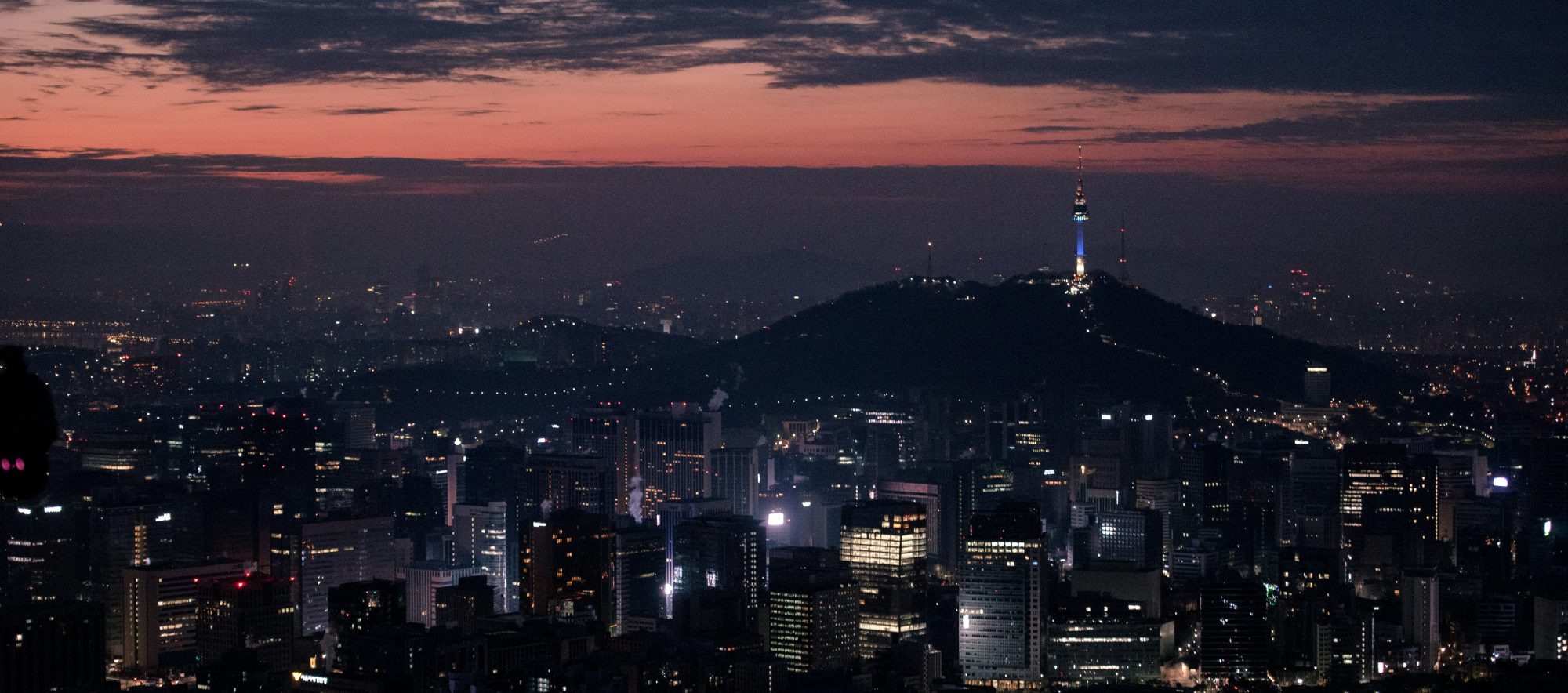

40,000 people sang Arirang in Gwanghwamun. Here’s why it wasn’t a red herring.
K-Pop
You can listen to “Body to Body” a hundred times and still miss what it’s actually saying.
A translation won’t fully get you there either. But if you had been standing in Gwanghwamun Square on March 21, 2026 — even without knowing a single word of Korean — you would have felt it instantly. That’s why this was the opening song.
One critic called the Arirang section a McGuffin. A red herring. Something that sounds meaningful but isn’t.
I’m Korean. I was there. Let me walk you through this song, line by line.
BTS “Body to Body” — Korean Lyrics, Romanization & English Translation
The Intro: Why RM Asked 40,000 People to Put Their Phones Down
I need the whole stadium to jump
Put your phone down, let’s get all the fun
I got my eyes on the row in the front
The vibe is high, if we bein’ blunt
The vibe is high, let the building
RM’s first word is “jump.” His second request is “put your phone down.”
That’s not a throwaway line. At concerts today, people spend half the show filming instead of watching. BTS had been gone for four years. And the very first thing RM asks — before anything else — is: be here. Right now.
For a comeback opener, that’s a remarkably human thing to say.
Suga’s Verse: The Secret Meaning of the ‘World Outside’
B-T-uh, from everywhere to Korea
Chong Kal Ki-Bo-Deu Da Jom Chi-Wo (총 칼 키보드 다 좀 치워)
* Put away the guns, knives, and keyboards
In-Saeng-Eun Jjal-Ba Jeung-O-Neun Bi-Wo (인생은 짧아 증오는 비워)
* Life is short, empty your hatred
It’s big in real life
Mwol Che-Myeon Tta-Jyeo Nae-Ryeo-Nwa Ya In-Ma (뭘 체면 따져 내려놔, 야 인마)
* Why worry about pride? Drop it, man
Hop in
Jom Deo Ga-Kka-I Wa (좀 더 가까이 와)
* Come a little closer
Look at those three words side by side: guns, knives, keyboards. Suga put physical violence and online hate in the same sentence on purpose. A keyboard can do real damage. That’s the point.
“It’s big in real life” — what happens in the real world is bigger than anything on a screen.
One word worth knowing: Tta-Jyeo (체면) gets translated as “pride,” but it’s closer to “face” — the stubborn need to look good in front of others, even when you know you’re wrong. Suga isn’t asking you to be humble. He’s asking you to stop performing.
And “Ya In-Ma” (야 인마)? The official translation is “drop it, man.” But in Korean, it’s what your closest friend says when they’ve had enough — casual, direct, no filter. “Come on, man. Just let it go.”
Put it all together: this is a peace message delivered the way a best friend delivers it. Not a lecture. Just: is that hatred really worth holding onto? Drop it and come closer.
The Chorus — What This Song Is Actually About
I need some body to body
All of your body beside me
Jeo-Gi Jeo Dal-E Dat-Ge Son-E Son (저기 저 달에 닿게 손에 손)
* Hand in hand, so we reach that moon
Neo-Wa-Na (너와 나) we on and on
* You and me, we on and on
Sunrise, but we don’t go home
“Body to body” sounds like a love song. It isn’t.
This is BTS talking to their fans after four years apart. “Skin to skin” isn’t about romance — it’s about connection without screens, without algorithms. Raw and real.
Now, “Hand in hand, so we reach that moon” — that line didn’t come from nowhere.
It’s a direct reference to “Hand in Hand,” the theme song of the 1988 Seoul Olympics. That moment in history mattered: the Cold War was ending, and a divided world came together in Seoul for the first time. BTS took that image and brought it into their concert in 2026. The hands reaching between nations became the hands reaching between the band and their fans.
The members confirmed this in interviews — they described “Body to Body” as their modern interpretation of that song.
“Sunrise, but we don’t go home” — I think that one line captures everything BTS felt after four years away from the stage. We’re not leaving. Not yet.
Verse 2 — The Night That Belongs to All of Us
It’s so tight
I mean, Neo-Wa-Eui Sa-I (너와의 사이)
* You and me, the space between us
I mean, U-Ri-Man-Eui Geu Style (우리만의 그 style)
* Our own style, nobody else’s
I mean, we livin’ the life
Du Nun-Eul Gam-Ji An-Eul I Bam (두 눈을 감지 않을 이 밤)
* This night I won’t close my eyes
Sol-Gu-Chi-Neun Gyeo-Re-Eui Ma-Eum (솟구치는 겨레의 마음)
* The surging heart of our people
Be about it, be about it, be about it
You could see about it
Or you read about it
Sa-I (사이) means “the space between us” — but in Korean, it also means the relationship itself. Closeness isn’t about distance. It’s about depth of connection.
This connects directly to a word you need to know: U-Ri (우리), which means “we” or “us” in Korean. But it’s not quite the same as the English “we.”
The word U-Ri comes from an old word meaning “people inside the same fence.” It describes belonging — shared space, shared life. That’s why Koreans say Uri ane (우리 아내) — literally “our wife” — when talking about their own spouse. It sounds strange in English. In Korean, it means: she belongs to the same world I do.
U-Ri isn’t just a pronoun. It’s a feeling.
And “the surging heart of our people” — Gyeo-Re (겨레) carries the weight of shared history. Korea has lived through occupation, war, and division within living memory. When this word appears in the middle of a pop song, it isn’t decoration. It means something.
The full picture of this verse: let’s long for peace together and sing until this night is over.
The Arirang Mystery: Why It’s Not a Red Herring, But Our DNA
A-Ri-Rang A-Ri-Rang A-Ra-Ri-Yo (아리랑 아리랑 아라리요)
A-Ri-Rang Go-Gae-Ro Neom-Eo-Gan-Da (아리랑 고개로 넘어간다)
* Crossing over the Arirang hill
Na-Reul Beo-Ri-Go Ga-Si-Neun Nim-Eun (나를 버리고 가시는 님은)
* The one who leaves me behind
Sim-Ni-Do Mot-Ga-Seo Bal-Byeong-Nan-Da (십리도 못 가서 발병난다)
* Won’t go ten miles before their feet hurt
This is the moment everything stops.
The electronic beat drops out. A women’s choir comes in, singing Gyeonggi Arirang — one of the oldest versions of Korea’s most beloved folk song.
For everything you need to know about Arirang and this album, it’s all here: BTS ARIRANG Album: Every Korean Cultural Reference Explained by a Korean
Here’s the short version.
Nobody teaches Koreans Arirang. We just know it. From before school, at holidays, at sports events. It lives in the body, not the mind.
Arirang Hill isn’t a real place on a map. It’s the hill you watch someone disappear over — the moment of separation. The song has carried that feeling through centuries of Korean history: colonial occupation, war, families split across a border that still exists today.
“Won’t go ten miles before their feet hurt” — ten miles is about an hour’s walk. The person who left will feel it almost immediately. It’s not a curse. It’s longing, turned outward.
Arirang isn’t a love song at its core. It’s a working song, a rallying song, a song people sang together whenever they were in the same place. And at the Gwanghwamun concert, 40,000 people sang it together — word for word, without being asked.
That’s not a McGuffin. That’s the whole point.
Now back to U-Ri. People inside the same fence. The whole world is inside the same fence. The fence is Earth.
“Body to Body” is a peace song. Of course it is.
The ‘Body to Body’ Philosophy: How ‘I’ Becomes ‘U-Ri’ (We)
I need the whole stadium to jump
Put your phone down, let’s get all the fun
You at the side, at the back, at the front
Almost the same words as the intro. But one line changes.
“I got my eyes on the row in the front” becomes “You at the side, at the back, at the front.”
Now that you know what U-Ri means — does that land differently?
At the start, RM is looking at the front row. By the end, there is no front row. Everyone is U-Ri now. The relationship has formed. That’s not a lyric variation. That’s the arc of the whole song, compressed into one line.
What is BTS “Body to Body” About?
“Body to Body” is a peace song, not a love song. BTS returned to the Gwanghwamun stage after four years and opened with a message about connection without screens — and ended with 40,000 people singing Arirang together. The song moves from “I” to “Uri” (우리, we) — from one person to everyone inside the same fence.
What Does “Body to Body” Mean in the BTS Song?
“Body to body” is about raw, unfiltered human connection — skin to skin, without algorithms or screens between people. It’s BTS asking their fans to be present, not recording. The Arirang section confirms it: this isn’t a romance. It’s a reunion, and a peace song.
If you want to go deeper into Korean lyrics and cultural references, these breakdowns connect directly to this post:
Want to go line by line through every word? The full lyrics, broken down in detail: CORTIS “RedRed” Full Lyrics Explained — Every Line Broken Down

CORTIS “TNT” — the Korean behind the hook CORTIS “TNT” Korean Lyrics Explained — What the Translation Misses
TWS “You, You” — what “Dda-reum Dda-reum” actually means TWS “You, You” Lyrics Explained — What “Dda-reum Dda-reum” Means
The culture behind K-Pop goes deeper than the music. The history of why Korean men look the way they do on stage: Why Do Korean Men Wear Makeup? The 5,000-Year History Behind K-Pop →

Want to know the real meaning behind your favorite K-Pop song? Drop it in the comments — I’ll cover it in the next breakdown.
Some links in this post may be affiliate links. If you make a purchase through them, I may earn a small commission at no extra cost to you.