
Ten years, five members, and one wick that won’t pull loose.
The title track from NCT 127’s seventh studio album, released August 24. It marks their tenth debut anniversary.
But this album carries more weight than a milestone release. Mark has left the group, and Doyoung and Jungwoo are serving in the military. This is the first promotion run by five members: Johnny, Yuta, Taeyong, Jaehyun, and Haechan.
Watch the music video. There’s a rough energy running through it. The song keeps saying they’re on fire, and the visuals carry that. Ten years of accumulated craft shows. If raw and unpolished is where the trend is right now, they landed on it precisely.
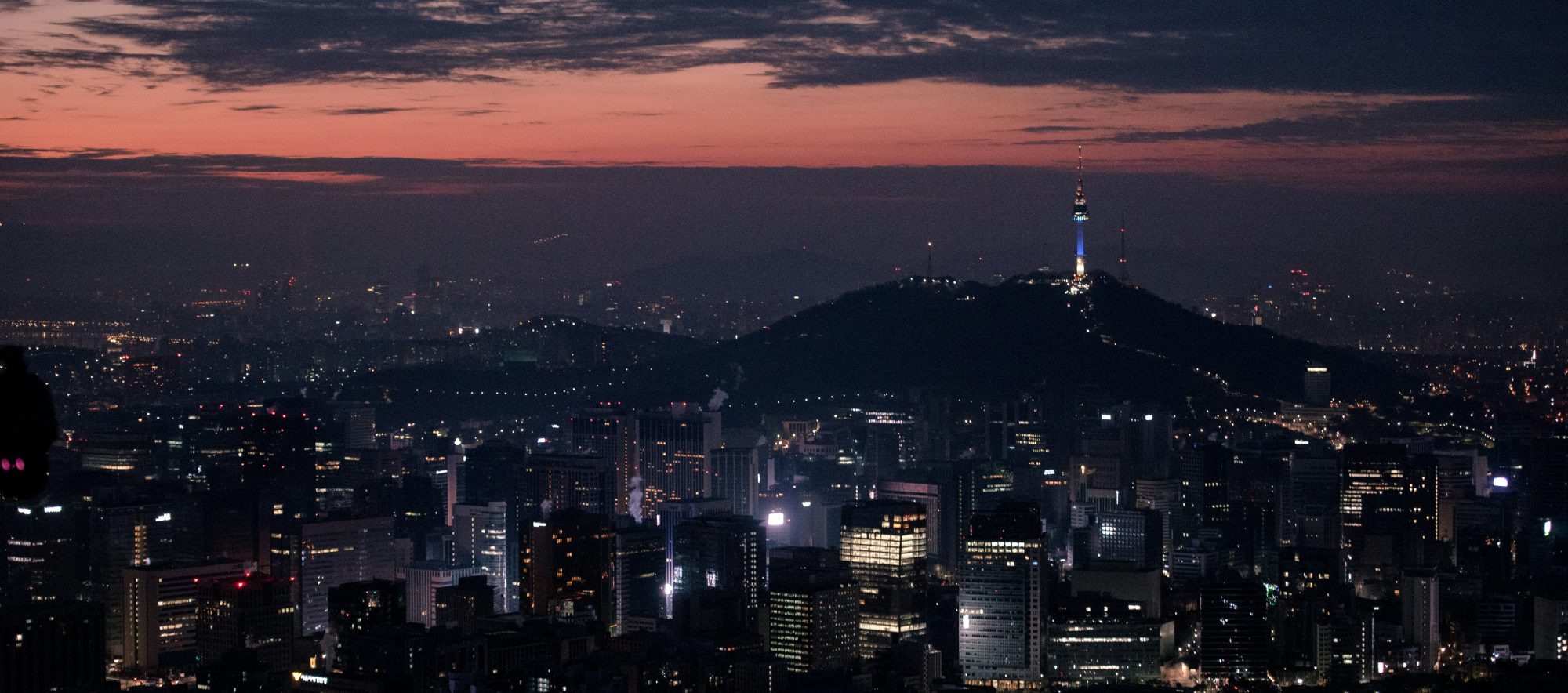
At the press conference, Taeyong said the album cover combines a map of Seoul with the group’s neo color, meant to signal a return to their beginnings. Johnny summed up the album in one word: chosim (초심), the original mindset you start with. Haechan described the last ten years as “my way.”
Jaehyun explained the title track this way: they keep setting out to find something blingy, but the song says those things are already inside them.
The lyrics carry that context. One line especially.
NCT 127 “BLINGY” — Korean Meaning & Lyrics Explained
Chorus — Teo-jin Bul-kkot A-rae (터진 불꽃 아래)
(I’ma blingy blingy blingy)
Teo-jin Bul-kkot A-rae
터진 불꽃 아래
Under the exploded firework
Feelin’ real blingy
Bringin’ that bounce
make the whole club shimmy
Ooh blingy eyes on my city
I’ma big dawg
Bul-eul Ji-pyeo Deo Heat it
불을 지펴 더 Heat it
Stoke the fire — heat it more
Ooh blingy Sim-jang-i Ttwi-ji
Ooh blingy 심장이 뛰지
Ooh blingy, my heart is pounding
Pi-eo-o-reun Flame
피어오른 Flame
A flame that rose up
yeah you might get dizzy
(I’ma blingy blingy blingy)
The whole song is built out of fire. Three instances in the chorus alone: an exploded firework, the act of stoking a fire, a flame that rose up.
Ji-pi-da (지피다, “to kindle/stoke”) — lighting a fire in a furnace or hearth, or keeping one alive so it keeps burning.
Pi-eo-o-reu-da (피어오르다, “to rise up”) — smoke or flame climbing upward. The verb contains pi-da, the word for a flower blooming, so in Korean it suggests a flame not just rising but opening outward as it grows.
Verse 1 — Nae Bi-haeng-gi-neun 808 (내 비행기는 808)
Nop-i Na-neun Sae-do Drop it
높이 나는 새도 Drop it
Even the bird flying high — drop it
Back to back to back
Kkeul-eo-dang-gyeo Nae Ol-ga-mi
끌어당겨 내 올가미
Pulling in my snare
Ha-na-dul-ssik Tae-wo Nae Bi-haeng-gi-neun 808
하나둘씩 태워 내 비행기는 808
Burning them one by one — my plane is an 808
Gu-reum-i Nae Wave
구름이 내 Wave
Clouds are my wave
He-eom-chi-neun Killer whales
헤엄치는 Killer whales
Killer whales swimming
127 Mob Ppa-reu-ge-bo-da-neun Meol-li Ga
127 Mob 빠르게보다는 멀리 가
127 Mob — go far rather than fast
Si-kkeu-reop-ge U-reo Make it loud
시끄럽게 울어 Make it loud
Cry out loud — make it loud
This verse holds the entire concept of the comeback.
NCT 127 built this era around “BLINGY JETS.” Members presented as a pilot crew flying in formation, each with a call sign, a jet design, and dog tags. A squadron over Seoul.
So “my plane is an 808” arrives. The 808 is the Roland TR-808 drum machine, one of the defining sounds of hip-hop’s low end. Saying the plane is an 808 reads as an image: what lifts him is the beat.
And then the decisive line. Ppa-reu-ge-bo-da-neun meol-li ga (빠르게보다는 멀리 가).
The line calls up a sentence familiar in Korea: go alone if you want to go fast, go together if you want to go far. Choosing duration and company over speed.
Sung by a team marking ten years with half its lineup changed.
Verse 1 (continued) — Sok-i Kkwae Ta-get-ji (속이 꽤 타겠지)
Double the heat
and I double the hype (Right)
Jam-eun Geul-leot-ji
잠은 글렀지
Sleep is off the table
Yeah we keep on buzzin’
Ne Bam-eul Mo-du Hum-chyeo
네 밤을 모두 훔쳐
Stealing all your nights
Sok-i Kkwae Ta-get-ji Burnin’
속이 꽤 타겠지 Burnin’
Your insides must be burning — burnin’
Sok-i ta-da (속이 타다, “insides burning”) — literally, the inside of the body burns. It’s a Korean idiom for anxiety or frustration, the sensation of drying out from worry.
It works on two levels here. The song runs on fire imagery, so it’s literal burning. Idiomatically, it’s someone eaten up with impatience. The English “Burnin'” tacked onto the end connects both layers.
Geul-leot-da (글렀다, “no chance/hopeless”) — already ruined, already past saving. Jam-eun geul-leot-ji (잠은 글렀지) means sleep is already a lost cause.
Pre-Chorus — Gip-ge Bak-hin Na-ui Sim-ji (깊게 박힌 나의 심지)
Keep it classy
Gip-ge Bak-hin Na-ui Sim-ji
깊게 박힌 나의 심지
My wick, driven deep
Ne Mok-so-rin Ja-geun Bul-ssi
네 목소린 작은 불씨
Your voice is a small ember
Deo Keu-ge Ta-o-reul Ttae
더 크게 타오를 때
When it burns bigger
Pyeol-chyeo-jin Se-sang-eul What you call that
펼쳐진 세상을 What you call that
The world that opens up — what you call that
What you call that
The two best lines in the song.
Sim-ji (심지, “wick”) — the wick of a candle or lamp, the part that catches fire. But Korean also uses it for character. Sim-ji-ga gut-da (심지가 굳다) means someone’s resolve is firm and doesn’t waver.
Gip-ge bak-hin na-ui sim-ji (깊게 박힌 나의 심지) — driven deep means it won’t pull loose. A candle’s wick and an unshakeable conviction at the same time.
Bul-ssi (불씨, “ember/spark”) — the small seed that starts a fire. Keeping the bulssi from going out used to be a household duty in Korea.
So the two lines work together. My wick is driven deep, and your voice is the ember. Wick meets ember, and it lights.
Read in the context of this album, the fan’s voice becomes that ember. The comeback slogan is “CALL 127.” At the press conference, Haechan explained it as members who had been spending time in their own separate places receiving the CALL 127 signal from Czennie and reassembling in Seoul as NCT 127.
If the concept is being summoned by that signal, ne mok-so-rin ja-geun bul-ssi (네 목소린 작은 불씨) reads like the same signal rendered as fire.
Verse 2 — Ta-o-reu-neun Bing-ha (타오르는 빙하)
Neo-ui Da-reun Gi-eok-deul-eul
너의 다른 기억들을
All your other memories
Ji-wo-beo-rin Men In Black
지워버린 Men In black
Erased — Men in Black
Na-reul Hyang-han Nun-deul-eun
나를 향한 눈들은
The eyes turned toward me
Sso-da-ji-neun Avalanche
쏟아지는 Avalanche
A pouring avalanche
Mo-du Eol-eo-beo-ri-ne
모두 얼어버리네
Everything freezes
Bu-reo-ji-neun On-do-gye
부러지는 온도계
The thermometer snaps
Flip it around
Ta-o-reu-neun Bing-ha
타오르는 빙하
A burning glacier
The temperature flips here.
What makes this stretch remarkable is how visual it is. In Korean, nun (눈) means both eyes and snow. The same word. So the eyes pouring toward him become an avalanche, everything freezes over, and the cold snaps the thermometer.
Then they take the situation and flip it around.
Ta-o-reu-neun bing-ha (타오르는 빙하, “a burning glacier”) — an impossible combination. What froze is now burning. Every bit of the avalanche and the freezing converts into heat. It’s as visual as the lines that built up to it, and it belongs among the sharpest images in K-pop.
Verse 2 (continued) — Dal-gwo-jin Pan (달궈진 판)
Bak-eu-ro Bul-leo Mo-a Deo
밖으로 불러 모아 더
Call more of them out
(Many many)
Dal-gwo-jin Pan-eul Ki-wo Deo
달궈진 판을 키워 더
Grow the heated stage bigger
(Heat it heat it)
Yeol-gi-ro Tae-wo Like the sun
열기로 태워 Like the sun
Burn it with heat — like the sun
Get it hot
Bit-eul Sso-a Nae-ryeo Top-down
빛을 쏘아 내려 Top-down
Shooting light downward — top-down
Pan (판) carries several meanings. A flat surface, and also the arena where something happens. Dal-gwo-jin pan (달궈진 판) is a heated metal plate and a scene running hot at once.
In Korean, pan-eul ki-u-da (판을 키우다) also means expanding the scale of whatever is underway.
Pre-Chorus 2 — Gip-eun Eo-dum-ma-jeo Flashy (깊은 어둠마저 Flashy)
Keep it classy
Gip-eun Eo-dum-ma-jeo Flashy
깊은 어둠마저 Flashy
Even the deep darkness is flashy
Sum-eul Go-reun Geot-do Jam-si
숨을 고른 것도 잠시
The breather was brief
Deo Bulk-ge Ta-o-reul Ttae
더 붉게 타오를 때
When it burns redder
Eo-dum-eul Mol-a-nae What you call that
어둠을 몰아내 What you call that
Driving out the darkness — what you call that
What you call that
Different lyrics land in the same slot as the first pre-chorus.
Verse 1: wick driven deep / your voice is an ember / when it burns bigger / the world that opens up
Verse 2: even deep darkness is flashy / the breather was brief / when it burns redder / driving out the darkness
“Driven deep” becomes “deep darkness.” “Bigger” becomes “redder.” Same structure, swapped words, and the fire grows.
Sum-eul go-reu-da (숨을 고르다, “to catch one’s breath”) — settling breathing that’s gone ragged. Also used for taking a short pause before what comes next.
Outro — Ok-gyeo-but-ji (옮겨붙지)
It’s a free fire
Bring the raw heat
(Bring the heat)
Geo-chin Blast eyes
거친 Blast eyes
Rough blast eyes
Ok-gyeo-but-ji
옮겨붙지
It catches and spreads
(Deo Gip-i)
(더 깊이)
(Deeper)
Nop-a-ji-neun On-do Gauge
높아지는 온도 Gauge
The temperature gauge rising
What you call that
It’s a free vibe
Bring the mad heat
(Bring the heat)
Drop the beat bomb
Sae-ro-un Scene
새로운 Scene
A new scene
(What I mean)
Ga-ppa O-neun Neo-ui Breath
가빠 오는 너의 Breath
Your breath getting shorter
What you call that
Ok-gyeo-but-da (옮겨붙다, “to catch fire and spread”) — fire jumping to something else and taking hold. The word used for a wildfire moving.
The fire imagery completes itself here. It starts as an ember, catches the wick, expands the arena, burns a glacier, and finally jumps.
Ga-ppa o-da (가빠 오다, “breath getting short”) — breath running short. Pre-Chorus 2 said the breather was brief. By the end, the breathing goes ragged again. The song closes on a breath that was steadied and then lost.
What Does “Sim-ji” (심지) Mean in “BLINGY”?
Sim-ji (심지) is the thread in a candle or lamp where the flame catches. A wick.
Korean also applies it to people. Sim-ji-ga gut-da (심지가 굳다) means someone’s will is firm enough that they don’t waver. The center holding a person up from the inside, not visible from outside.
Gip-ge bak-hin na-ui sim-ji (깊게 박힌 나의 심지) — a wick driven so deep it can’t be pulled out. The place fire catches, and unshakeable conviction.
The next line is ne mok-so-rin ja-geun bul-ssi (네 목소린 작은 불씨) — your voice is a small ember. A wick without an ember never lights.
What Does “Ta-o-reu-neun Bing-ha” (타오르는 빙하) Mean in “BLINGY”?
A burning glacier. An impossible pairing. But trace how the song arrives there and the reason becomes clear.
In Korean, nun (눈) means two things: eyes, and snow. Same word.
Na-reul hyang-han nun-deul-eun (나를 향한 눈들은) — the eyes turned toward me. And the next line is sso-da-ji-neun avalanche (쏟아지는 Avalanche). The gaze pours down, and it becomes an avalanche. Read in Korean, nun as eyes turns into nun as snow in the space of one line.
Everything freezes. The thermometer snaps.
Then: “Flip it around.”
Ta-o-reu-neun bing-ha (타오르는 빙하) is the result of that flip. Attention poured down, hardened into ice, and now the ice is burning. The glacier that all that snow built gets set alight.
Attention turned into fuel.That’s what sits inside those two words.
What Is NCT 127’s “BLINGY” Really About?
Ten years. And a tenth anniversary reached with half the lineup missing.
The whole song is built out of fire. An exploded firework, a fire being stoked, a flame rising, a small ember, a heated arena, a burning glacier, fire jumping to what’s next. It starts small and keeps growing.
At the center of it sits gip-ge bak-hin na-ui sim-ji (깊게 박힌 나의 심지) — a wick that won’t pull loose. It lines up exactly with what Jaehyun said: the blingy things are already inside them.
And Verse 1 hides the real sentence of the song. Ppa-reu-ge-bo-da-neun meol-li ga (빠르게보다는 멀리 가).
Go alone if you want to go fast. Go together if you want to go far. Sung by a team ten years in, down to five members, that line rings the loudest.
내부 링크
Stray Kids refuse to pick between two options. The whole album runs on that:
Stray Kids “This & That” — Why They Refuse to Pick One

ATEEZ put a Korean chili pepper between a Cuban cigar and Spanish fuego:
ATEEZ “BAD” — Where Cheongyang Chili Meets a Latin Rhythm

CORTIS builds their whole identity on two colors. “RedRed” is where that starts:
CORTIS “RedRed” Full Lyrics Explained — Every Line Broken Down

After the Grammys announced an Asian Pop category, this song started sounding like a prediction. Where does it go from here?
BTS “Aliens” Lyrics Explained — What the Translation Misses

Is there a K-Pop song that clearly means something more — but you can’t tell what? Drop it in the comments and I’ll break it down.
Some links in this post may be affiliate links. If you make a purchase through them, I may earn a small commission at no extra cost to you.