A concert crowd with hands raised under warm yellow and white stage lighting

BOYNEXTDOOR’s 2026 Comeback: First Full Album, Japanese TV Show, and What Korean Fans Already Know

Full album theme, Japan TV premiere, and Weverse Con date — all in one place

K-Pop | KwaveInsider


Living in Seoul and following K-pop means you come across information that the English-speaking internet doesn’t always cover. Right now, BOYNEXTDOOR is one of those cases.

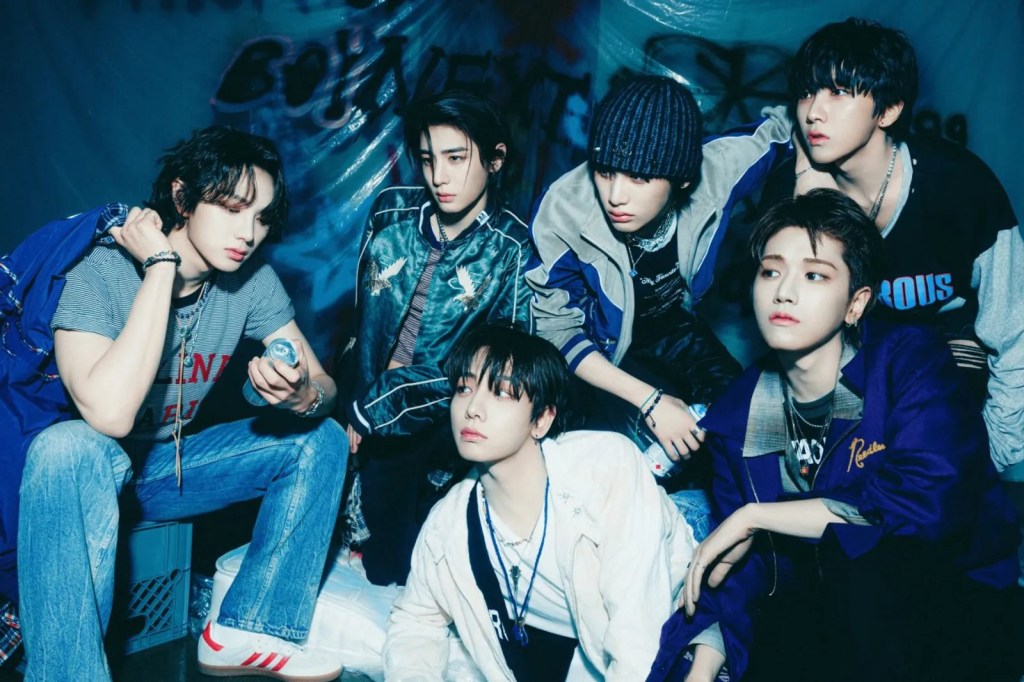
A quick introduction for anyone new: six-member boy group under KOZ Entertainment (a HYBE label founded by ZICO), debuted May 2023. “Earth, Wind & Fire” and “Nice Guy” put them on global charts, and they’re one of the most-streamed groups in Korean MZ-generation short-form content right now. Their concept is “boys next door” — approachable, everyday, nothing flashy. But the way Korean fans actually see them is a little different: effortlessly stylish, trend-setting rather than trend-following.

Here’s what’s happening with that group right now. Three things.

Video: ‘Knock On Vol.1’ Final Stage CAM / Source: BOYNEXTDOOR (YouTube)

1. The First Full-Length Album — and Why the Word “Re-Debut” Matters

In January, at the 40th Golden Disc Awards in Taipei, BOYNEXTDOOR took home two trophies. Then, on stage, they said this: “We’re planning to release our first full-length album in 2026. We think of it as a new beginning — a re-debut. We’re working hard on it.”

That statement was reported in English. But I’m not sure the weight of “re-debut” came through.

In K-pop, a full-length album isn’t simply a longer release. It’s the moment a group makes their definitive artistic statement — the record that says, for the first time, this is who we actually are. BOYNEXTDOOR has spent five mini-albums telling stories about first love, heartbreak, and growing up. The full-length, based on what members Sungho and Woonhak told Marie Claire Korea in their April 2026 cover shoot, is going to be different: “It captures the process of finding ourselves. We’re working hard on recording.”

That’s a significant shift in framing — from observing youth to examining themselves. The Marie Claire shoot itself was styled around 90s New Jack Swing energy, and Korean fans have been reading that as a visual clue about the album’s musical direction. Whether that analysis holds up, I can’t say. What I can say is that the conversation has been running for weeks in Korean fan communities.

Leader Jaehyun quietly updated his Weverse bio: “New song in May.” May 30 is the group’s third debut anniversary. The timing is not a coincidence.


2. Their Own Show on Japanese Network TV — Why This Is a Bigger Deal Than It Sounds

On April 11, BOYNEXTDOOR Tomodachi Base premiered on Nippon TV.

Some context for international readers: Korean idols performing in Japan, releasing Japanese-language music, appearing as guests on Japanese variety shows — all of this is familiar territory now. What is not familiar is hosting your own fixed program on a Japanese terrestrial network. BOYNEXTDOOR is doing exactly that, in a prime-time kanmuri slot — the lead position in the broadcast block.

Korean industry sources have noted that this kind of placement for a Korean idol group is genuinely unusual.

The format is a talk-variety show. The members invite guests from across the entertainment world into a fictional “secret base” for conversation and games. The premiere featured Japanese actor Jun Shison. Coming up: &TEAM, INI, FANTASTICS from EXILE TRIBE. Eight episodes total.

One number for context: last year’s Japan tour sold out all 13 dates across six cities. The network TV show is what comes after that. This isn’t a guest appearance — it’s a foothold. That distinction matters.


3. Weverse Con 2026 — BOYNEXTDOOR and ZICO on the Same Stage

June 6–7, Olympic Park, Seoul. The final lineup for Weverse Con Festival 2026 is set. BOYNEXTDOOR is confirmed. So is ZICO.

For anyone new to this group: ZICO founded KOZ Entertainment and has personally produced BOYNEXTDOOR since before their debut. Inside the Korean fandom, he’s long been nicknamed Jibeoji — a blend of his name and the Korean word for “father.” The members use it themselves. It’s not just a fan thing.

The stages are separate — BOYNEXTDOOR on the indoor main stage, ZICO headlining the outdoor stage. But being at the same festival on the same day is a first, at this level. There’s something quietly complete about it: the full arc from debut to here, compressed into a single event.

Weverse membership pre-sale opens April 23. General sale April 24.

A concert crowd with hands raised under warm yellow and white stage lighting
Photo: Nainoa Shizuru / Unsplash

What It Looks Like From Seoul

Following K-pop from Seoul long enough teaches you to tell the difference between a group having a good year and a group crossing a threshold.

The numbers are there — three consecutive million-sellers, a sold-out world tour, a Lollapalooza set last summer. But numbers are results, not the story. The story is a group that debuted three years ago with a deliberately understated concept, quietly built the foundation, and is now arriving at the moment those three years were leading toward. They called it a re-debut. That word was chosen carefully.

If you’ve been watching from a distance, this is a good time to move closer.


Which BOYNEXTDOOR era got you in? Or if you’re just discovering them — what was the first song? Leave it in the comments.

Some links in this post may be affiliate links. If you make a purchase through them, I may earn a small commission at no extra cost to you.

Korean Liberation Army Gwangbokgun flag signed by independence fighters 1940s

Perfect Crown’s Hidden History: Why Koreans Can’t Fully Enjoy a Royal Fantasy (Part 2)

Korea’s Republic Was Not Given — It Was Fought For

K-Drama & Film


Perfect Crown is one of the most-watched K-dramas of 2026 — but Korean viewers are watching it with a complicated feeling that international fans might not fully understand. The fantasy of a royal Korea is beautiful. For Koreans, it also carries weight.

In Part 1, we looked at how Joseon ended. If you haven’t read it, start there. This part picks up where that one left off.

Video: Perfect Crown Highlight Trailer / Source: Disney+ Singapore (YouTube)

The Name “Daehanminguk” Already Has the Answer

The world calls Korea the “Republic of Korea.” In Korean, it’s Daehanminguk — 대한민국. These two names are often treated as direct translations. They aren’t quite.

Daehan (大韓) — A reference to the three ancient kingdoms of the southern Korean peninsula, unified under one identity. “Great Han.” The name of an entire people.

Min (民) — This is where it gets interesting. And a little disturbing.

In ancient East Asia, slaves were blinded in one eye to prevent escape. The character min (民) originated from that image — a person with one eye destroyed, the controlled, the subjugated. Minguk (民國) literally means: the nation of those who were ruled.

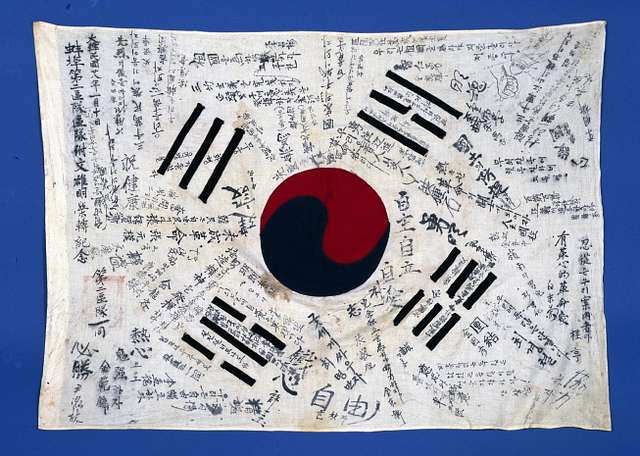
This is not just etymology. Nine years after Japan annexed Korea, a government-in-exile drafted a constitution for a new nation in Shanghai. No emperor. No king. No aristocracy. A nation belonging to those who had been ruled. Korea’s independence movement was, from the beginning, a democracy movement. That declaration was written into the name Daehanminguk.

Korean Liberation Army Gwangbokgun flag signed by independence fighters 1940s
Korean Liberation Army (Gwangbokgun) flag signed by independence fighters — National Registered Cultural Heritage No. 389 / Public Domain, Wikimedia Commons

Three Dictators. Three Victories.

Korea was founded in 1948. Then came war. In 1950, North Korea invaded across the 38th parallel. Three years of fighting left the entire peninsula in ruins. What remained was poverty, rubble, and a division that has never healed.

Democracy had to be built on that rubble. It wasn’t easy.

The First Dictatorship — and the Students

The founding president tried to hold onto power through election fraud. In 1960, students took to the streets. Police opened fire. 186 people died. The students didn’t stop. The president fled the country. It was students and the citizens who followed them — not a single shot fired — who brought down the dictator.

The Second and Third Dictatorships — and the Citizens of Gwangju

A year later, the military seized power. For the next two decades, generals ruled Korea. The economy grew. Democracy did not exist. In 1980, a second military dictator took power. The citizens of Gwangju, in the south of the country, were the first to resist. Special forces units were deployed. Citizens were massacred. The official death toll: 166. The entire city was cut off from the rest of the country. Gwangju did not surrender.

The Third Wave — and Millions

Seven years later, in 1987, a university student died under police torture. The government tried to cover it up. Koreans took to the streets. Millions of them. Across the entire country. The dictator backed down and announced direct presidential elections. The electoral system Korea has today was created on that day.


And Then: December 3, 2024

Democracy is never finished in a single victory.

On the night of December 3, 2024, a president deployed military forces and attempted to dissolve the National Assembly. It was a coup.

Citizens ran to the National Assembly. They blocked the doors with their bodies. The soldiers were slow to follow orders. Every one of them knew what had happened in Gwangju 44 years earlier. The citizens knew too. That’s why they weren’t afraid.

The coup failed. The president was impeached and is currently on trial.

Did the people who died in Gwangju know their sacrifice would save South Korea 44 years later? They probably didn’t. They didn’t surrender anyway.


Why Koreans Don’t Want the Crown Back

Perfect Crown is a good drama. I watch it every week.

But for Koreans who know what the name Daehanminguk means — and what it cost to keep it — the scenes with the royal family feel a little different.

Korea’s democracy was not handed down from above. It was built by nameless students, by the citizens of Gwangju, by millions of ordinary people who took to the streets and refused to go home. A nation where the ruled became the rulers. That is what Daehanminguk means.

The crown is better left as a beautiful fantasy.

If you’re watching Perfect Crown and feeling the romantic pull of the royal world — and now also understanding why that crown disappeared — you’re watching the drama with two sets of eyes.


Films That Help You Understand This Era

A Taxi Driver (2017) — Netflix

Gwangju, May 1980. An ordinary Seoul taxi driver agrees to drive a German journalist into the city — without knowing what’s happening there. Starring Song Kang-ho. 12.2 million admissions. You don’t need to know the history. This film puts you inside it.

1987: When the Day Comes (2017) — Netflix

How one student’s death under police torture brought millions into the streets. Based on real events. Starring Kim Yun-seok, Ha Jung-woo, and Kim Tae-ri.

The Attorney (2013) — Netflix

A tax lawyer defends a student accused under national security law — and is changed by it. Based on the early life of former President Roh Moo-hyun. Starring Song Kang-ho. 11.37 million admissions.

12.12: The Day (2023)— Netflix

The night of the 1979 coup — the event that made Gwangju inevitable. Starring Hwang Jung-min and Jung Woo-sung. Over 13 million admissions. Watch this before the others.


Korea has a long history. If watching Perfect Crown has sparked any questions about Korean history or culture, leave them in the comments — I’ll cover them in a future post.

Some links in this post may be affiliate links. If you make a purchase through them, I may earn a small commission at no extra cost to you.

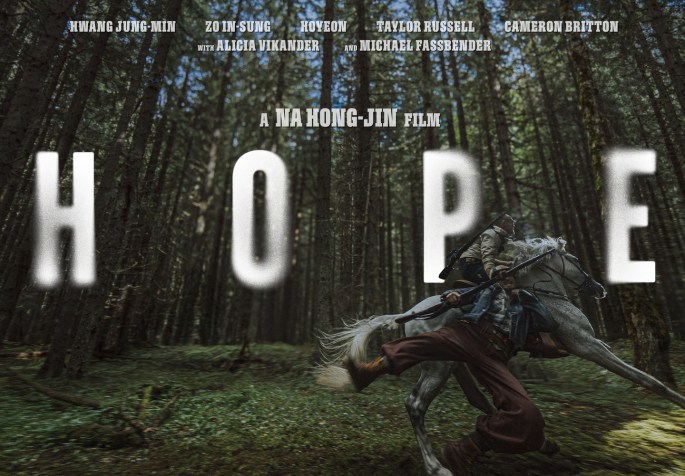
Official teaser poster for Na Hong-jin's film HOPE (2026) featuring Jo In-sung being snatched and dragged by a mysterious figure on a white horse.

Hope (2026): Na Hong-jin Returns to Cannes Competition with Michael Fassbender, Alicia Vikander & Hoyeon

The Wailing director’s most ambitious project yet — full breakdown of the story, themes, massive cast, and what to expect from the 2026 sci-fi thriller.

K-Drama & Film


Everything that has been revealed about Na Hong-jin’s Hope (2026) — the story, the themes, the cast, the behind-the-scenes obsessions, and what it all means — collected and broken down in one place.

Official teaser poster for Na Hong-jin's film HOPE (2026) featuring Jo In-sung being snatched and dragged by a mysterious figure on a white horse.
Official teaser poster for “HOPE” (2026), directed by Na Hong-jin. (Source: Plus M Entertainment)

Ten Years of Silence

When The Wailing ended in 2016, nothing was resolved. That was the point. Na Hong-jin took the film to the Cannes Directors’ Fortnight, set a new benchmark for Korean genre cinema, and disappeared.

Ten years later, he’s back. And this time the scale is different — a Hollywood ensemble, the Cannes Competition, a first installment budget of approximately $37 million USD with the entire trilogy projected to exceed $75 million (100 billion KRW), and a vision that spans three films.


The Story — From a Tiger Sighting to the End of the World

The setting is Hopo, a port village near the DMZ in the 1970s and 80s. A place where Cold War tension and information blackouts are the permanent condition. A fisherman reports seeing a tiger. Wild tigers have been extinct in Korea for decades. The report is dismissed. Then people in the village start to disappear.

Anyone who knows Na Hong-jin’s work already understands — the tiger is not a tiger.

The film moves from a deeply local Korean folk mystery to something cosmically vast — a layered escalation designed to dismantle the audience’s psychological defenses. The familiar locality of a closed-off Korean village makes the arrival of something inhuman far more destabilizing. If The Wailing started with a village and ended with unanswerable darkness, Hope starts where that darkness left off.

The title itself is double-layered. Hope is both the name of the film and the name of the village — Hopo (호포항). For the people inside it, the word means something to hold onto. For whatever is arriving from outside, it may mean opportunity.


The Central Theme — When Good Intentions Become Catastrophe

Na Hong-jin has stated this directly.

“I’ve noticed throughout society how someone’s good intentions, filtered through differences in position and perspective, can ultimately lead to catastrophe. I wanted to capture that in this film.”

The village police chief Beomsuk (Hwang Jung-min) acts from a sense of duty — he needs to keep the civilian population calm. The hunter Seonggi (Jo In-sung) tracks the threat from instinct and obligation. The rookie officer Seonge (HoYeon) holds to her principles when everyone around her is abandoning theirs. All three share a good starting point. But the crack that an unknown presence opens between them transforms that goodness into suspicion and violence.

This is the question Na Hong-jin has asked across three films. Hope takes it to a universal scale: what we believe to be our virtue may be another person’s — or another species’ — catastrophe.


Omega — A Trilogy and an Apocalypse

Hope is not a single film. It is the beginning of a saga. Na Hong-jin expanded what was originally one story into a trilogy. The first installment alone carries a reported budget of approximately $37 million USD, with the entire trilogy projected to exceed $75 million (100 billion KRW) — unprecedented in Korean film history.

Images released from the Romanian church location speak to the scale. The director’s initials carved into iron bars. Blood running down windows. Alphabetical gravestones. The Omega symbol (Ω) — the end of Revelation. A creature swallowing a rainbow whole. Something that looks like the sun but has red limbs.

This film is oriented toward what genre theorists call Ontological Horror* — and the visual language already released makes that unmistakable.

* Ontological Horror refers not to fear of a physical threat, but to fear that strikes at the nature of existence itself — who we are, what reality is, whether human life carries any meaning at all. It’s not the monster that terrifies. It’s the realization of how fragile and insignificant human existence looks in the monster’s presence.


The Cast — Two Languages, Two Worlds

One name worth noting before the cast: cinematographer Hong Kyung-pyo, whose work on The Wailing and Bong Joon-ho’s Parasite helped define the visual language of modern Korean cinema, returns as director of photography.

The casting goes beyond star power. It visualizes the film’s central preoccupation with the breakdown of communication.

Hwang Jung-min, Jo In-sung & HoYeon

The village police chief Beomsuk (Hwang Jung-min) works to keep civilian anxiety from boiling over near the DMZ. The hunter Seonggi (Jo In-sung) ranges across mountains and coastline tracking the predator. The rookie officer Seonge (HoYeon) holds to her principles when everyone around her is abandoning theirs. These three form the bedrock of Korean realism at the story’s center.

Hwang Jung-min appeared in The Wailing (2016) as Ilgwang, the shaman — one of the most unsettling performances in that film. He is one of the most trusted actors in Korean cinema. HoYeon is known globally from Squid Game — the fact that Na Hong-jin cast her is already a signal.

Michael Fassbender, Alicia Vikander, Taylor Russell & Cameron Britton

Real-life married couple Fassbender and Vikander play alien presences. Na Hong-jin’s reasoning: “Playing a non-human entity requires a kind of non-verbal trust that only a real relationship can produce.”

There’s a behind-the-scenes detail worth knowing. Scheduling conflicts made it impossible for both actors to be on set simultaneously on certain days. Na Hong-jin solved it with stand-in shooting — one actor performing toward an empty space where the other would later be placed. In the finished scenes, the gap is invisible.

Also joining the alien ensemble: Taylor Russell — known for Bones and All and Waves — and Cameron Britton, whose portrayal of serial killer Ed Kemper in Mindhunter made him one of the most watchable character actors working today. The international cast now spans three continents.

This is a bilingual film — Korean and English in simultaneous use. The language barrier isn’t a logistical detail. It functions as a symbolic boundary: deepening misunderstanding between characters, amplifying fear, making the gulf between human and non-human feel structural rather than incidental. The collision between Hollywood’s register and Chungmuro’s realism generates its own friction — and Na Hong-jin is using that friction deliberately.


Technical Obsession — Ten Months for Half a Day

Na Hong-jin’s perfectionism has always pushed technical limits. On Hope, it crossed into a different category entirely.

A single sequence — Jo In-sung being snatched from horseback, shot on location at Retezat National Park in Romania — required ten months of preparation for half a day of filming.

Five months of horseback riding and action training in Korea. Three months of precise pre-visualization. Two months of on-location adaptation and rehearsal. The shot was captured in natural light at 120fps — high-speed cinematography chosen specifically to render the alien’s movement with what Na Hong-jin describes as “supernatural fluidity.” The result is something a standard frame rate cannot produce.


Cannes + Neon

Hope enters the Cannes Film Festival Competition in 2026 — Na Hong-jin’s second time at Cannes. US distribution has been confirmed by Neon, the company that brought Bong Joon-ho’s Parasite to American audiences. That’s not a coincidence. It’s a statement of intent.


Summer 2026

The fear that our own goodness can become someone else’s catastrophe. Na Hong-jin has carried that question across three films. Hope delivers it at the scale of human extinction.

The highest point Korean cinema has ever reached, or the deepest abyss. Either way — this summer matters.


Before You Watch — Na Hong-jin’s Three Films

Three films. That’s the entire filmography. All three changed Korean genre cinema. Watch them before Hope arrives.

The Chaser (추격자, 2008) — Netflix His debut. Based on a real serial killer case. The film that reset the standard for Korean thrillers overnight. Starring Kim Yun-seok and Ha Jung-woo. Watch on Netflix →

The Yellow Sea (황해, 2010) — Netflix A Yanbian Korean-Chinese taxi driver accepts a contract killing and crosses into Korea. Two and a half hours without room to breathe. Watch on Netflix →

The Wailing (곡성, 2016) One of the most analyzed films in Korean cinema history. Cannes Directors’ Fortnight. The ending is still being argued about. Start here if you’ve seen nothing else. Although it recently left Netflix, you can still stream it on Disney+ in many regions. It’s also available to rent or purchase on Apple TV and Amazon Prime Video.

Video: The Wailing (곡성) Official Trailer / Source: Well Go USA Entertainment (YouTube)

Some links in this post may be affiliate links. If you make a purchase through them, I may earn a small commission at no extra cost to you.
Irworobongdo painting from Perfect Crown: Symbol of Joseon Dynasty Royal Authority

Watching ‘Perfect Crown’? Here’s What Korean Viewers Know That You Don’t

Chaebol, Princes, and Power — The Real History Behind Episodes 1 & 2

K-Drama & Film


Did you enjoy Episodes 1 and 2 of Perfect Crown? That final scene in Episode 2 — you felt it, right? The lavish visuals, the royal fantasy — this kind of drama never gets old.

But while international viewers were enjoying the spectacle, Korean viewers were reading something extra into the same scenes. Historical and cultural codes embedded in the drama — things most audiences outside Korea won’t catch.

This isn’t a spoiler post. It’s a decoder.

Why Koreans feel complicated watching royal fantasies has been covered in a separate post. This one focuses on three specific elements already introduced in Episodes 1 and 2 — and what they mean.

Video: Perfect Crown Highlight Trailer / Source: Disney+ Singapore (YouTube)

1. The Queen Mother’s Family — Why That Detail Matters

In Perfect Crown, the queen mother comes from a family that has produced four queens. That detail gets repeated. Korean viewers catch it immediately — because they’ve seen this story before.

In 15th-century Joseon Korea, there was a man named Han Myeonghoe. He wasn’t the king. He was an official. But he married four of his daughters into the royal family. Four queens. One father. He effectively ran the country from the outside.

Here’s the simplest way to understand it. The king was the face. The real power belonged to the king’s father-in-law. In Korean, this is called waecheok (외척) — the queen’s family seizing control. It was the thing the Joseon Dynasty feared most.

They tried to prevent it. They failed. History repeated itself.

In the late 18th century, one of Joseon’s most brilliant kings — King Jeongjo — died young, leaving behind a child son. On his deathbed, he entrusted the boy to his most trusted official. That official became the boy-king’s father-in-law. The result? For the next sixty years, that family ran Korea. The king existed. But he was a figurehead. Many historians trace the eventual collapse of the Joseon Dynasty directly back to this moment.

When Korean viewers see the queen mother’s family described as having produced four queens in Perfect Crown — they tense up. Because they know exactly how this pattern ends.

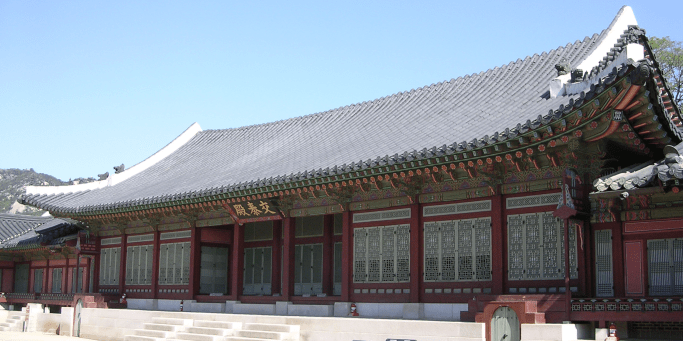
Gyotaejeon Hall Gyeongbokgung Palace Seoul queen's residence Joseon Dynasty Korea
Gyotaejeon Hall, Gyeongbokgung Palace — the queen’s residence in the Joseon Dynasty / Photo: Jeon Young, Kim(Seoul, Korea) / Wikimedia Commons (CC BY-SA 5.0)

2. The Grand Prince — The Most Dangerous Position in the Palace

In the drama, Grand Prince Yi-an is shown helping to govern and support the king. International viewers might read this as simply “a good prince helping out.” Korean viewers read something more complicated.

First, what is a grand prince? In Joseon, a daegun (대군) was a son born to the king by his official queen — a legitimate royal prince. Sounds prestigious. The reality was darker.

A capable grand prince was dangerous. He was a potential rival to the crown prince. Historically, capable grand princes were exiled or killed. In the drama, a news article describes Grand Prince Yi-an as “a modern-day Prince Suyang.” Korean viewers know exactly what that means.

Prince Suyang was a grand prince in the 15th century. He was capable, ambitious — and ultimately, he killed his young nephew, the king, and took the throne himself. He eliminated dozens of rivals along the way.

And here’s the other thing: in actual Joseon history, a king’s regent was always his mother — never his brother or uncle. A grand prince acting as regent simply did not happen. So while Yi-an appears to be helpfully governing in the drama, in historical reality he would be in a precarious position — his life potentially threatened by the very queen mother whose family holds the real power.

Will Yi-an protect his nephew to the end? Or will he become Prince Suyang? That’s the real question this drama is asking.


3. Chaebol — The Republic’s Modern Aristocracy

Samsung. Hyundai. LG. These names are familiar worldwide — smartphones, cars, televisions. But when Koreans look at these companies, they don’t just see products. They see chaebol.

The easiest way to understand chaebol: imagine Steve Jobs had handed Apple not to a qualified successor, but to his children — regardless of their ability. In the United States, that would trigger congressional hearings and wall-to-wall media coverage. In Korea, this has been happening for decades. Companies are inherited by blood, not by merit.

How did this happen? The origins of chaebol go back to the Korean War in the 1950s. The war left Korea in ruins. But there were entrepreneurs with ambition. They created something from nothing and achieved remarkable things. Much of Korea’s economic success today is owed to them. However, their growth also took place in partnership with authoritarian governments of the time.

South Korea’s constitution states that all citizens are equal. There is no aristocracy. But economic inequality clearly exists. And in practice, the chaebol families — passing wealth down through generations — look very much like a modern aristocracy.

The fact that Seong Hee-ju in Perfect Crown comes from a chaebol family but lacks royal status is not accidental. The drama places these two worlds side by side and asks the sharpest question in modern Korean society: what’s the real difference?


Films That Bring This History to Life

The Man Who Lived with the King (왕과 사는 남자, 2026) — Currently in Korean theaters

Han Myeonghoe — the man who placed four daughters on the throne — is a central character. The perfect companion piece to Perfect Crown. A major hit in Korea right now. Watch for the OTT release.

Video: The King’s Warden (왕과 사는 남자) Official Trailer / Source: Central City Media (YouTube)

The Face Reader (관상, 2013) — Netflix

Prince Suyang — the historical figure referenced in the drama — is the central antagonist. Lee Jung-jae, known internationally from Squid Game, plays Suyang. Song Kang-ho, known from Parasite, plays the face reader at the center of the story. This film shows exactly how a capable prince seized the throne — and what it cost everyone around him. Essential viewing. You won’t regret it.

Watch on Netflix →

Video: The Face Reader (관상) Official Trailer / Source: 213 Pictures & Media (YouTube)

This series continues. I’ll be back after Episodes 3 and 4.

Does your country have a modern aristocracy? Leave a comment — I’d genuinely like to know.


Some links in this post may be affiliate links. If you make a purchase through them, I may earn a small commission at no extra cost to you.
Irworobongdo painting from Perfect Crown: Symbol of Joseon Dynasty Royal Authority

Do Koreans Want a Monarchy? What ‘Perfect Crown’ Truly Hides [Insight] (Part 1)

Korea’s Painful Road to Democracy and the Glory of the Republic

K-Drama & Film


Perfect Crown — the new MBC drama starring IU and Byeon Woo-seok — is built around a fantasy: a modern Korea with a royal family, a palace, and a monarchy that never disappeared. International viewers are loving it. But for many Koreans watching the same drama, something quietly uncomfortable stirs.

Do Koreans truly want a monarchy?

According to a survey on constitutional reform and power structure preferences conducted in 2024–2025, over 70% of Koreans overwhelmingly preferred a presidential system. A parliamentary or power-sharing system came in at around 10%. A constitutional monarchy wasn’t even included as an option.

Why do Koreans feel so strongly about their republic? The answer requires some history.

Video: Perfect Crown Highlight Trailer / Source: Disney+ Singapore (YouTube)

Joseon — 500 Years of Legacy

The Joseon Dynasty ruled from 1392 to 1897 — over five centuries. King Sejong created Hangul, the Korean alphabet. Ceramics and painting flourished at a world-class level. A Confucian-based governance system, civil service examinations, and medical institutions — the cultural legacy Joseon left behind is still alive in the daily life of Koreans today.

Living in Seoul, I feel it. Standing in front of Gyeongbokgung Palace, walking through the rear garden of Changdeokgung — you feel in your bones how deep this country’s roots go. Joseon is not simply history. It is Korean identity itself.

For a closer look at Joseon’s palaces still standing in Seoul today, our Seoul itinerary covers them in detail.

Irworobongdo Joseon Dynasty royal court painting sun moon five peaks Korea
Irworobongdo: A Joseon Dynasty court painting symbolizing the omnipresent authority of the King. / Public Domain, Wikimedia Commons

The Glory of Joseon — and Its Shameful End

Five hundred years of greatness. But the ending was devastating.

In the late 19th century, imperial Japan extended its reach toward Joseon. The dynasty’s response was weak and cowardly. King Gojong thought primarily of his own survival. A faction of officials chose to collaborate with Japan rather than defend the nation.

In 1894, an estimated one million peasants joined the Donghak Peasant Movement in an attempt to protect the country. Gojong and the ruling class turned their backs on them — and instead allied with Japan to slaughter the very people who had risen up. Joseon destroyed its own last chance at survival.

In 1905, the Eulsa Treaty stripped Korea of its diplomatic sovereignty. In 1910, Japan formally annexed Korea. The dynasty was gone.

Five hundred years of history — ended this way. Many Koreans feel something beyond sorrow about this chapter. Something closer to rage. This is part of why the lavish royal fantasy in Perfect Crown doesn’t land as pure escapism for Korean viewers.


Resistance — The Fight to Take Back a Nation

Koreans are not, by nature, a people who submit.

Survival on a small peninsula surrounded by powerful neighbors — China, Japan — required constant resistance across centuries. A people who love peace but will not tolerate injustice. Both China and Japan, across thousands of years of shared history, have acknowledged this.

On March 1, 1919, independence uprisings broke out across the country. Students, farmers, and religious leaders took to the streets. Japan suppressed the movement by force — thousands were killed. But the spirit of that day did not die. Koreans moved to Manchuria in large numbers to begin guerrilla resistance. The term Uibyeong — volunteer soldiers, ordinary citizens fighting injustice with no official status — has roots stretching back to Korea’s resistance against the Mongols in the Goryeo period.

These fighters reorganized as independence armies, and when the Korean Provisional Government was established in Shanghai, they were folded into the Gwangbokgun — the Liberation Army. The modern Republic of Korea’s military traces its origins directly to the Gwangbokgun.

Korean independence activists released from prison August 1945 liberation from Japanese colonial rule
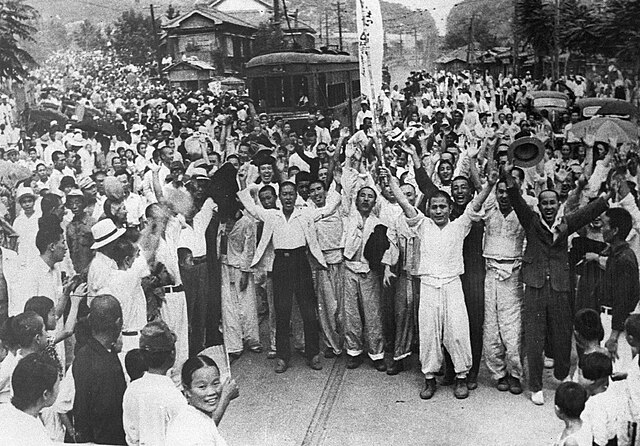
Korean political prisoners released upon liberation, August 16, 1945 / Unknown author / Public Domain, Wikimedia Commons

Liberation — But Division

In August 1945, atomic bombs fell on Hiroshima and Nagasaki. Japan surrendered. Korea was liberated — but not by its own hand. The Provisional Government went unrecognized. The independence movement that had sacrificed so much was not given its due. This remains one of the most painful chapters in how Koreans remember their modern history.

And then came division. Under the pretext of disarming Japanese forces, Soviet troops occupied the north of the peninsula and American forces the south. That division has lasted to this day.


Films That Help You Understand This Era

These are essential. And genuinely gripping.

Mr. Sunshine (2018)

Set in the early 1900s during the final years of the Korean Empire. A Korean-born US Marine officer and a noblewoman fighting as a resistance fighter — against the backdrop of a nation losing itself. Starring Lee Byung-hun and Kim Tae-ri. Written by Kim Eun-sook, directed by Lee Eung-bok. Visually stunning, emotionally devastating. The polar opposite of the royal fantasy Perfect Crown offers.

Watch on Netflix →

Assassination (2015)

Set in 1933 colonial-era Gyeongseong (Seoul). A mission to assassinate a pro-Japanese collaborator — and the people caught in the middle. Starring Jun Ji-hyun, Lee Jung-jae, and Ha Jung-woo. One of the top five highest-grossing Korean films ever made. This is not just action entertainment — the weight of the choices these characters make stays with you.

Watch on Netflix →

The Age of Shadows (2016)

Set in the 1920s. A Korean officer serving the Japanese police finds himself pulled toward the independence movement he is supposed to be hunting. Starring Song Kang-ho and Gong Yoo, directed by Kim Jee-woon. If you enjoy le Carré-style spy fiction, this film is essential.

DVD / Blu-ray →


A Drama Is a Drama — But

Perfect Crown is a good drama. IU and Byeon Woo-seok’s chemistry works. The rom-com mechanics are well-executed. It’s enjoyable.

But the complicated feeling many Koreans have while watching it is separate from the drama’s quality. Enjoying the royal fantasy while feeling quietly unsettled by it — understanding where that discomfort comes from changes how you read the show.

Know why the crown disappeared, and you’ll understand why it still feels heavy.

In Part 2, we’ll look at what happened after liberation — how Korea fought to build its republic, what that cost, and why Koreans today wear that history with pride.


Korea has a long history. If watching Perfect Crown has sparked any questions about Korean history or culture, leave them in the comments — I’ll cover them in a future post.

Some links in this post may be affiliate links. If you make a purchase through them, I may earn a small commission at no extra cost to you.
BOYNEXTDOOR members posing for 2026 comeback concept photo produced by Zico

BOYNEXTDOOR Comeback 2026: Everything You Need to Know Before They Drop

From ZICO’s Studio to Seoul’s Streets — Everything You Need to Know While Waiting for Their Next Drop

K-Pop (Boy Group)


BOYNEXTDOOR is coming back in May 2026 with new music — their first release since The Action dropped last October. Walk through Seongsu-dong, browse a Hangangjin concept store, or step into an Olive Young — their songs are on the speakers. They’re on the Instagram Reels of Korean Gen Z who wouldn’t use a track as their backdrop unless it matched exactly how they want to be seen. For a group that debuted in 2023, that kind of cultural traction isn’t given. It’s earned.

[Official Music Video] BOYNEXTDOOR – ‘Earth, Wind & Fire’ via HYBE LABELS

The May Comeback — What We Know

On March 26, leader Jaehyun quietly updated his Weverse bio to read: “New song in May.” No press release. No official announcement. Just one line from the leader — and that was enough. This will be their first comeback in approximately seven months since their fifth EP The Action.

Album format and title track are still under wraps. But three years into their career, the direction this group has been moving is already clear enough to read.


Who Is BOYNEXTDOOR

Under KOZ Entertainment — HYBE-affiliated, but a completely different energy. Producer: ZICO. That name alone explains the group’s sound.

They debuted on May 30, 2023 with the single album Who!. The name BOYNEXTDOOR says exactly what it means — boys from next door, no elaborate lore, just honest stories from everyday life. That direction hasn’t shifted since debut. Their fandom is called ONEDOOR — the one door connecting BOYNEXTDOOR to the world.

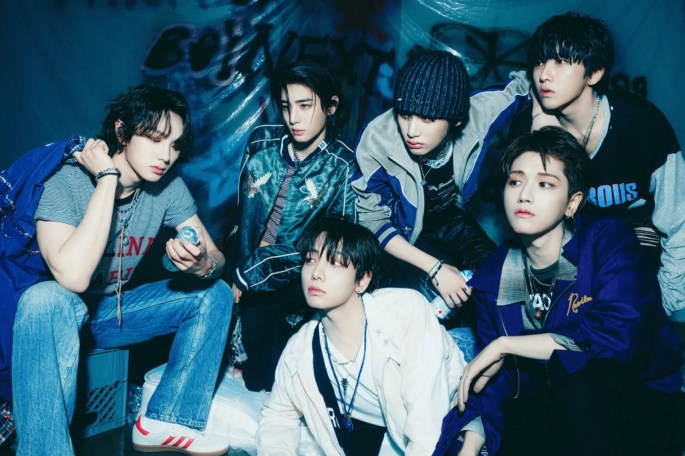
BOYNEXTDOOR members posing for 2026 comeback concept photo produced by Zico
BOYNEXTDOOR is gearing up for their May 2026 comeback. / Image: KOZ Entertainment

ZICO’s Imprint, and the Members’ Own Voice

KOZ has a recognizable sound. Hip-hop foundation, raw energy, effortless cool. ZICO’s fingerprints are there.

But reducing BOYNEXTDOOR to “ZICO’s group” means missing something. Leader Jaehyun came in as a self-producing musician — ZICO personally auditioned him after hearing his original work. Jaehyun, Taesan, and Woonhak have had songwriting credits since debut, and their involvement has grown with every release. They’re building their own voice within ZICO’s framework. How far that’s developed is one of the most interesting things to watch in the May comeback.


Why the West Can’t Stop Listening

BOYNEXTDOOR’s lyrics aren’t particularly clever or philosophical. That’s the point.

The awkwardness of a one-sided crush. A quiet falling-out with a friend. A Sunday afternoon where nothing gets done and you don’t feel bad about it. These are universal emotions delivered in direct language. Western listeners in their teens and twenties connect not because it’s K-pop, but because the feeling is familiar. Earth, Wind & Fire and If I Say I Love You spread through TikTok’s algorithm to people who had never searched for K-pop in their lives. That’s not a coincidence.


BOYNEXTDOOR Live

This group is stronger on stage than on record — and that’s saying something.

The Knock On Vol.1 Tour ran across 13 cities in Asia through 2024 and 2025. The final Seoul show at KSPO Dome was captured on their live album Knock On Vol.1 Final – Live, released in February 2026. “BOYNEXTDOOR tears the stage apart” is not just fandom talk.

[Official Live Performance] BOYNEXTDOOR – ‘But Sometimes’ on it’s Live

The Members

[© KOZ Entertainment / BOYNEXTDOOR — Member Photo]

Jaehyun — Leader. Born 2003. Former YG trainee. ZICO personally auditioned him. The group’s primary songwriter.

Sungho — Eldest. Born 2003. KOZ’s first ever trainee. Main vocalist. Fans describe his voice as “latte-like” — smooth, warm, lingers.

Riwoo — Born 2003. Main dancer. From Busan. Quietly commanding on stage in a way that catches you off guard.

Taesan — Born 2004. Songwriter. Listens to Nirvana and Oasis. Got into music through his father’s record collection.

Leehan — Born 2004. Former taekwondo athlete. The visual. Also known for keeping a fish tank in the dorm — cardinal tetras, if you’re curious.

Woonhak — Youngest. Born 2006. Songwriter. Started training in 2020 because he always wanted to be a singer. Still the most enthusiastic person in any room.


Discography & Recommended Tracks

Who! (2023.05.30) — Debut single. But I Like You is where it all started.

[Official Music Video] BOYNEXTDOOR – ‘But I Like You’ via HYBE LABEL

Why.. (2023.09) — First EP. First appearance on the Billboard 200.

How? (2024.04) — Earth, Wind & Fire. First No. 1 on the Circle Album Chart.

19.99 (2024.09) — Dangerous, Nice Guy. Crossed 1 million cumulative copies.

No Genre (2025.05) — 1.16 million first-week copies. Their highest opening week to date.

The Action (2025.10) — Fifth EP. Hollywood Action as the title track.

[Official Music Video] BOYNEXTDOOR – ‘Hollywood Action’ via HYBE LABELS

Why May Matters

The tour is done. The live album is out. The members’ creative involvement has grown with every release. ZICO built the foundation — but the question now is what BOYNEXTDOOR sounds like when they’re fully speaking for themselves.

May answers that.

   * May also happens to be the best time to visit Korea. If you want to hear BOYNEXTDOOR on the streets of Seoul, there’s no better month to come.


Some links in this post may be affiliate links. If you make a purchase through them, I may earn a small commission at no extra cost to you.

IU in a crimson hanbok and Byeon Woo-seok in a dark blue hanbok facing each other in the K-drama Perfect Crown

Perfect Crown Story: Why Koreans are Obsessed (and Why You Should Be Too)

MBC · Disney+ · April 10, 2026 — From a Korean who loves K-drama and film

K-Drama & Film


IU and Byeon Woo-seok. Same screen for the first time. A royal romance set in a modern Korea that never abolished its monarchy. If you’ve been anywhere near K-drama social media this week, you already know the noise around Perfect Crown. Here’s why it’s justified — and one reason to stay cautious — from a Korean who loves K-drama and film.


What It’s About

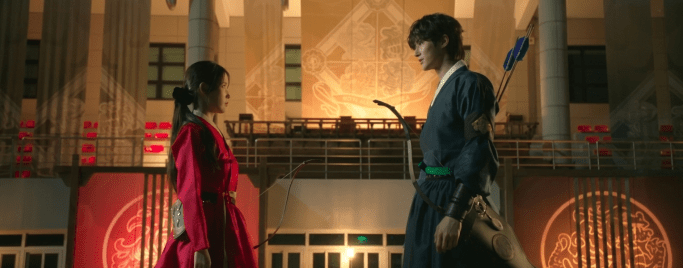
Perfect Crown is set in a reimagined modern Korea operating under a constitutional monarchy. Seong Hee-ju (IU) is the CEO of a cosmetics conglomerate — brilliant, wealthy, and perpetually denied respect because she was born out of wedlock. Grand Prince Yi-an (Byeon Woo-seok) is the king’s second son — beloved by the public, powerless within his own family.

A contract marriage brings them together. What starts as a calculated arrangement gets complicated fast.

Classic rom-com architecture. The execution is everything.


Why Korea — A Republic — Can’t Stop Making Royal Fantasies

This is the part that confuses international viewers. Korea abolished its monarchy over a century ago. So why does the royal romance formula keep working here?

Living in Seoul, here’s what I observe.

Joseon lasted 500 years. That’s not ancient history — it’s in the language, the architecture, the food, the way people address each other. The Republic of Korea is barely 80 years old. The cultural memory of a royal order runs deeper than the political reality.

And paradoxically, the absence of an actual monarchy is exactly what makes it work as fantasy. Britain has a real royal family, so royal romance becomes tabloid. Korea has no royal family — which means the setting carries zero real-world baggage. It’s pure imagination.

Add to that the rom-com engine: the genre runs on the gap between two people. The wider the gap, the stronger the pull. Chaebol vs. commoner works. Royal vs. commoner is the maximum version of the same formula.

Perfect Crown plants its story right at the intersection of those two worlds — a chaebol heiress who lacks royal status, and a prince who lacks everything else. The gap runs in both directions. For a real look at what Korean royal history left behind, the palaces are still standing in Seoul — we covered them in our Seoul itinerary.


IU — Why This Choice Matters

If you came to IU through My Mister or When Life Gives You Tangerines, Perfect Crown will feel like a gear shift. Those were heavy. Dense with silence and accumulated grief. The kind of drama you don’t consume — it consumes you.

This is a rom-com.

I’ll be honest: I once tried to get IU involved in a project I was working on. Called her agency. Got turned down — and I suspect the call never even reached her. The project wasn’t big enough. No hard feelings. But it confirmed something I’d already sensed: this is someone who makes her own calls.

IU doesn’t seem like someone who takes roles just to stay visible. When she moves into lighter territory, it feels like a deliberate pivot — not a commercial calculation.


Byeon Woo-seok — First Rom-Com Since Lovely Runner

Byeon Woo-seok’s Lovely Runner (2024) turned him from a familiar face into a global phenomenon. This is his first full romantic lead since then. The pressure is real.

Worth noting: he and IU have history on screen. In Moon Lovers: Scarlet Heart Ryeo (2016), he played one of IU’s love interests — a supporting role in a crowded ensemble. A decade later, they’re front and center together. That’s a full-circle moment the fandom will not let go of.


The Team Behind It

Director Park Joon-hwa helmed What’s Wrong with Secretary Kim (2018) and the Alchemy of Souls series (2022–23). He knows how to pace a romance and how to keep fantasy grounded. Good fit for this material.

The screenplay comes from Yoo Ji-won, adapted from a script that won the 2022 MBC Drama Screenplay Contest. The original concept was developed by Yoo Ah-in — yes, the actor.


Basic Info

  • Network: MBC (Korea), Disney+ (global), Hulu (US)
  • Premiere: April 10, 2026
  • Schedule: Every Friday and Saturday, 9:40 PM KST
  • Episodes: 12
  • Cast: IU, Byeon Woo-seok, Noh Sang-hyun, Gong Seung-yeon

One Thing to Watch For, One Thing to Watch Out For

Watch for — IU in full comedy mode. Her comic timing has never been the main event before. It is here.

Watch out for — the setup is almost too familiar. Contract marriage, dual outsiders, social hierarchy as obstacle. K-drama has run this play many times. The question is whether the writing and chemistry can make it feel earned rather than assembled.

IU picked this. That’s enough for me to give it the first episode.


Some links in this post may be affiliate links. If you make a purchase through them, I may earn a small commission at no extra cost to you.
CORTIS and “What You Want” — BigHit’s New Crew, and Nothing Like You’d Expect (K-Pop Rookies #1)

Second EP ‘GREENGREEN’ drops May 4 — pre-orders already at 1.22 million

K-Pop (Boy Group)


When BigHit Music announced a new boy group, reactions split in two. The label that gave the world BTS and TXT — so expectations ran high. Whether CORTIS could actually meet them was another question. Eight months into their debut, they answered it. First K-pop group to perform at an NBA All-Star halftime show.


“What You Want” — The Debut Track That Said Everything

CORTIS debuted on August 18, 2025 with “What You Want.” A blend of 60s psychedelic rock and boom bap hip-hop — an unusual choice for a K-pop debut. The members were involved in production, and planned and shot the MV themselves. It went viral on TikTok, and the English version featuring American singer-songwriter Teezo Touchdown made it to the Mnet M Countdown stage.

Their debut EP Color Outside the Lines entered the Billboard 200 at No. 15 — the second-highest chart debut for a K-pop rookie album ever. Around 250,000 copies sold on release day. By November, they hit 200 million Spotify streams — the fastest by any rookie group that year.


Who Is CORTIS

Under BigHit Music. The third boy group from the label after BTS and TXT, and their first new act in six years since TXT’s debut. Republic Records handles distribution in the US.

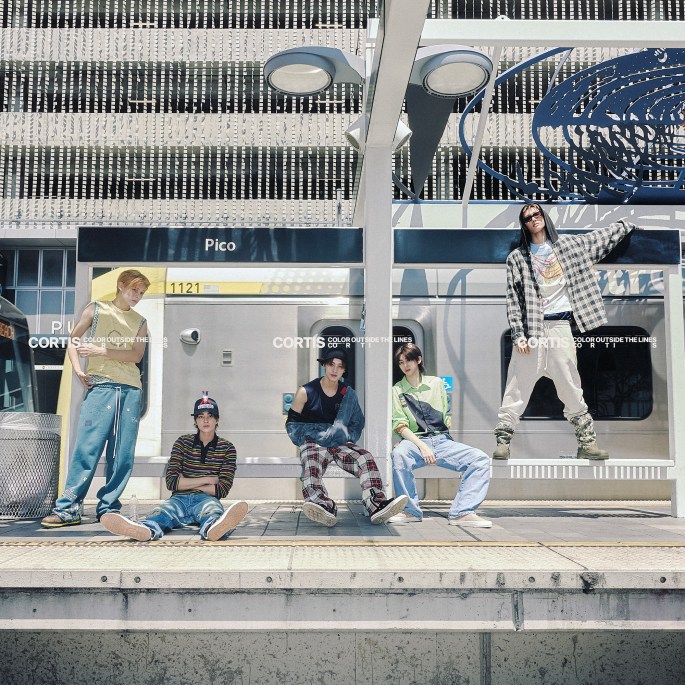
The name CORTIS comes from the initials of “COLOR OUTSIDE THE LINES” — a declaration to move beyond the world’s expectations. All five members participate in songwriting, choreography, and video production from the start. A self-described “creator crew.” Their fandom is called COER.


The Members

CORTIS members Martin James Juhoon Seonghyeon Keonho BigHit Music boy group
© Big Hit Music / CORTIS

Martin — Leader. Korean-Canadian. Born 2008. 190.5cm. Spent his childhood between two countries — Canadian father, Korean mother. Carried the Icelandic flag at the 2018 PyeongChang Winter Olympics opening ceremony and performed with the Rainbow Choir. Before joining BigHit, he already had songwriting credits on tracks by ILLIT, TXT, and LE SSERAFIM. His role model is BTS’s RM — his older sister was an ARMY, which led him to audition for BigHit.

James — Taiwanese. The only non-Korean national in the group. Fluent in English, Korean, and Mandarin. Considered one of the strongest vocalists in the lineup.

Juhoon — Born 2008. Worked as a child model before debut, appearing in music videos for VIXX and Zion.T. Fluent in both Korean and English. Universally acknowledged by the members as the one who eats the most.

Seonghyeon — The group’s top-liner. Leads melody work, and despite being quiet, is said to have the most ideas. Trained at BigHit for around five years from age 13.

Keonho — Youngest member. Born February 14, 2008 — Valentine’s Day. Former competitive swimmer with multiple medals. Directly involved in MV production. Known among fans as the “generation 5 visual.”


Discography & Recommended Tracks

“What You Want” (2025.08.18) — Debut single. Where the TikTok viral started. An English version featuring Teezo Touchdown also exists.

“GO!” — EP track. The members planned and filmed the MV themselves. The most direct statement of what CORTIS is about.

“FaSHioN” — EP track. The group’s pop sensibility at its clearest.

“Mention Me” (2026.02.13) — On the soundtrack for the American animated film Goat.


Stories Worth Knowing

NBA All-Star Halftime — A K-Pop First

In February 2026, CORTIS performed at the NBA All-Star Celebrity Game halftime show — the first K-pop group to do so. The same day, they headlined the NBA Crossover concert at the LA Convention Center alongside Ludacris and Shaboozey. A group six months into their debut on the biggest stage in American professional sports. The context matters more than the numbers.

Lollapalooza Chicago 2026

They’re on the Lollapalooza Chicago lineup in August — a solo slot for a K-pop boy group at one of America’s biggest music festivals. Remarkable for a group that hasn’t yet hit their one-year mark.

Debut Album at 2 Million — Second Ever

Color Outside the Lines has crossed 2 million copies sold. Only Zerobaseone had done it before with a debut album.


Why “REDRED” on April 20

On April 20 at 6PM KST, CORTIS drops “REDRED” — the title track from their second EP GREENGREEN — with both an MV and a performance film. The full album follows on May 4. Pre-orders passed 1.22 million copies in a week. Nearly three times the first-week sales of their debut album.

Eight months in. No official comeback yet. Already here. Where “REDRED” takes them — April 20.


Some links in this post may be affiliate links. If you make a purchase through them, I may earn a small commission at no extra cost to you.
BTS Is Opening Their World Tour in Goyang — Here’s What to Do Before and After the Show

Goyang, Seoul’s Neighbor — RM’s Hometown, Royal Tombs, and the Han River at Dusk

Korea Travel


BTS WORLD TOUR ‘ARIRANG’ opens on April 9 at Goyang Stadium. It’s the first large-scale concert since all seven members completed their mandatory military service — the start of 82 shows across 23 countries. The choice of Goyang is no coincidence. Goyang is RM’s hometown. In “Ma City,” he raps: “I love Ilsan Lake Park more than the Han River / Even though it’s smaller, it holds you so much warmer.” As someone who lives near here, I can tell you — watching the Han River from Goyang at dusk is something else entirely. This city deserves more than a one-day concert visit. Here’s what to know.

BTS WORLD TOUR ‘ARIRANG’ IN GOYANG — Official Info →


Goyang Stadium — The Basics

Goyang Stadium sits in Ilsanseo-gu, Goyang, Gyeonggi Province. It holds over 40,000 seated and 10,000 standing. BTS, BLACKPINK, and Coldplay have all played here.

Getting There Line 3 subway to Daehwa Station, then a 10–15 minute walk. GTX-A to Kintex Station gets you there in 7 minutes on foot. By car from Gimpo Airport, allow about 20 minutes.

Photo: WAKA77 / Wikimedia Commons (Public Domain)

The Day Before — Take It Easy in Goyang

Seooreung Royal Tombs (西五陵)

Fifteen minutes by car from the stadium. Five Joseon royal tombs sit quietly inside a pine forest. Almost no tourists. Wide, calm, and perfect for a slow walk the day before the concert. One of the most accessible — and least visited — UNESCO World Heritage sites in Korea.

Photo: hyolee2 / Wikimedia Commons (CC BY-SA 3.0)

Janghang Wetlands

A Ramsar-designated ecological wetland where the Han River meets Goyang’s edge. Known as a migratory bird habitat, it’s all reed fields and riverside walking paths. The kind of landscape you won’t find anywhere near central Seoul.

One more option: Hongdae isn’t far from Goyang. If you want a night out, the option is there. That said — the concert is long, the energy is real, and your legs will thank you if you save them. Hongdae can wait.


Concert Day — Around the Stadium

Ilsan Lake Park

Walking distance from the stadium. Korea’s largest artificial lake, ringed by well-maintained paths. Exactly the right place to decompress before showtime. The musical fountain show is worth catching if the timing works.

Photo: Seungwon Lee / Unsplash

Starfield Goyang

Right next to Ilsan Lake Park. Shopping, food, cafes — all in one place. A solid option for pre-show meals or killing time if you arrive early. Don’t burn too much energy here though. The concert is long and it takes everything you’ve got.


Concert Day — Where to Eat

Todamgol

2.4km from the stadium. Korean table d’hôte (hanjeongsik) — the kind of spread where you feel healthier just looking at it. The base set runs ₩14,000, genuinely good value. If you’re going with someone, consider splitting: one orders the base set, the other goes for the Sweet Beef Bulgogi set at ₩24,000. Between the two, you get a proper introduction to Korean food.

View menu and reserve at Todamgol →


The Day After — Cross Into Paju

Goyang to Paju is 20–30 minutes by car. If you have one more day, these two are worth it.

Heyri Art Valley

A cultural community built by around 380 artists — painters, architects, writers, filmmakers. The village is full of distinctive buildings housing galleries, museums, cafes, and workshops. Every direction you walk, something is worth photographing. Weekend afternoons are when it’s most alive.

Paju Book City

Over half of Korea’s publishers are based here, which sounds industrial until you see it. The buildings were designed by serious architects, and tucked between them are bookshops and cafes. The centerpiece is the Forest of Wisdom — a 24-hour book cafe where hundreds of thousands of volumes are stacked floor to ceiling. Spending an hour there alone makes the detour worthwhile.

Fair warning: after a BTS concert, finding the energy for either of these is ambitious. But if you’re in Korea, they’re genuinely worth the effort.

Photo: Korea.net / Korean Culture and Information Service (Jeon Han) / Wikimedia Commons (CC BY-SA 2.0)

Where to Stay

Sono Calm Goyang — The only five-star hotel in Goyang, directly across from KINTEX. Walking distance to the stadium, airport bus stop right outside. Books out fast during concert season.

If Goyang hotels are already gone — and they may be — staying near Hapjeong or Hongdae in Seoul and taking the subway is a perfectly workable plan.


Practical Tips

The most important tip first: Download the Naver app before you arrive. It supports multiple languages and covers restaurant reservations, navigation, and search. According to the Korea Tourism Organization, 56% of foreign visitors to Korea use Naver Maps. There’s a reason for that.

  • Daehwa Station gets extremely crowded after the show. Budget at least 30 minutes of wait time
  • Get a T-money card before you go — it makes every transit connection easier
  • Seooreung and Janghang Wetlands are free or nearly free to enter
  • Heyri Art Valley and Paju Book City are not within walking distance of each other — use a taxi or public transit

Goyang and Paju can’t be done in a single day. Pick what fits your pace and go from there. Wherever you end up, you’ll find something Seoul doesn’t have.

Planning to catch BTS at Goyang Stadium? Before the show, it’s worth understanding what ARIRANG is really about — the album title, the folk song, and what it meant for seven members coming home after four years apart. We broke it all down here.


Some links in this post may be affiliate links. If you make a purchase through them, I may earn a small commission at no extra cost to you.
BTS World Tour 2026 Sold Out? Here’s How to Watch from Anywhere

The most realistic ways to watch BTS officially — even if you couldn’t get a ticket


BTS World Tour 2026 tickets are gone. North America, Europe — sold out within minutes of going on sale. If you’re searching right now, you’re probably in the same situation.

But not being able to get a ticket doesn’t mean not being able to watch BTS. HYBE and BTS have made three official ways to experience this tour. No resellers. No inflated prices. No scams.

I was at Gwanghwamun on the night of March 21. 260,000 people packed the streets in front of Gyeongbokgung Palace. BTS stood on that stage together for the first time in nearly four years. As someone who was there: the energy comes through the screen. It really does.

Here are the options — practical, official, and available right now.


Option 1 — Netflix: Watch the Gwanghwamun Comeback Live Right Now

The fastest option, and the one most people are sleeping on.

“BTS THE COMEBACK LIVE | ARIRANG” — the full Gwanghwamun performance from March 21 — is streaming on Netflix right now. This is the concert that drew 18.4 million global viewers on the night it aired live. The full one-hour set, filmed against the backdrop of a 630-year-old palace gate in the heart of Seoul, is available to any Netflix subscriber at no additional cost. If you’re already subscribed, open the app and search now.

If you haven’t seen it yet, watch this before anything else.

While you’re there, “BTS: The Return” is also on Netflix. It’s the documentary that follows each member from military discharge through the recording sessions for ARIRANG in Los Angeles. Watch this first and the Gwanghwamun concert hits differently — you’ll understand what four years of separation actually looked like from the inside.

Netflix plans start at $8.99/month.

👉 Watch BTS THE COMEBACK LIVE | ARIRANG on Netflix

Want to understand what you’re watching? Every Korean cultural reference in the ARIRANG album — Gwanghwamun, han, geurium, the 1896 recording — explained by someone who was there: BTS ARIRANG Album: Every Korean Cultural Reference Explained by a Korean


Option 2 — Weverse Official Stream: Watch the World Tour from Home

Most fans have already seen the Gwanghwamun comeback concert. What they want now is the world tour itself. For those fans, HYBE is running official paid streams through Weverse.

Goyang Concert Stream

  • Concert date: Sunday, April 12 — KST 7:00 PM
  • US East Coast: Sunday, April 19 — 6:00 AM EDT
  • US West Coast: Sunday, April 19 — 3:00 AM PDT

Tokyo Concert Stream

  • Concert date: Saturday, April 18 — KST
  • Exact streaming time: check the Weverse official page

Both concerts are available in HD Single-View or 4K Single-View. A Delayed Single-View replay is offered once after each live stream ends — for anyone who can’t catch it live. If you want both concerts, the ALL DAY PASS covers everything in one purchase.

Current pricing is listed directly on Weverse Shop. Check there before buying for the most accurate figures.

👉 Weverse Official Streaming Page

© BIGHIT MUSIC / HYBE — Official Streaming Poster

One thing to note: log in to the streaming page using the exact same account you used to purchase your ticket. A different account means no access — even if you have a valid ticket.


Option 3 — Cinema Live Viewing: See It on the Big Screen

For fans in the US and other participating countries, BTS is bringing the world tour to movie theaters. Both the Goyang and Tokyo concerts are coming to the big screen.

Goyang Concert Live Viewing — Saturday, April 11 Tokyo Concert Live Viewing — Saturday, April 18

US theaters: AMC Theatres, Cinemark, Cinepolis, Harkins, B&B Theatres

Each screening runs approximately three hours. A theater sound system and a proper cinema screen is a genuinely different experience from watching at home — and you’ll be surrounded by people who are just as invested as you are. For North American fans who couldn’t get a stadium ticket, this is the most realistic alternative.

Check participating theaters and showtimes at the official live viewing site.

👉 BTS Live Viewing Official Site


Before You Watch: Get the Album

Every track BTS performs on this tour comes from ARIRANG — their first studio album in nearly four years. Knowing the album before the concert changes everything. The lyrics carry weight that’s hard to explain without context, and the live arrangements hit differently when you already know the songs.

The Living Legend Ver. is the best-selling physical edition on Amazon right now — 4.9 stars across 200+ reviews, and the most complete package of any CD version available.

👉 BTS ARIRANG — Living Legend Ver. on Amazon


Your Options at a Glance

  • Netflix : Gwanghwamun comeback concert + documentary / Netflix
  • Weverse Stream : Goyang + Tokyo world tour, HD or 4K / Weverse
  • Cinema Live Viewing : Goyang + Tokyo on the big screen / btsliveviewing.com

All three are official. All three are the real thing.

The Gwanghwamun stage — even through a screen — is worth your time.

— KwaveInsider, Seoul


A Critical Warning: Don’t Fall for Ticket Scams

With stadium shows sold out worldwide, many fans are turning to social media or unverified sites looking for tickets. Before you risk your money, keep these safety tips in mind.

Avoid “Too Good to Be True” Deals Scammers often post “last-minute” tickets at face value or even below on X (Twitter) or Instagram to lure desperate fans. If it’s not from an official source like Ticketmaster or the official tour site at btsworldtourofficial.com, treat it as a scam.

Check for Secure Payment Methods Never pay via direct bank transfer or any method that offers no buyer protection. If the ticket never arrives, your money is gone with no way to dispute it.

Verify the Ticket Type Many venues on the 2026 tour use mobile-only tickets with rotating barcodes. A PDF or screenshot sent via DM will not get you into the stadium — no matter how convincing it looks.

The bottom line: The official streaming and cinema options listed above are the only 100% guaranteed ways to experience BTS without the risk of losing your money to scammers.


Some links in this post may be affiliate links. If you make a purchase through them, I may earn a small commission at no extra cost to you.